4 Best Ceramide Creams for Windburned Skin to Restore Calm
Okay, so here is the thing: winter air is basically a thief. It sneaks up on your skin, steals all the moisture, and leaves your cheeks feeling like sandpaper. If you have ever walked into a cold wind and felt that instant, burning sting, you know exactly what I mean. That is windburn, and it is the absolute worst for your barrier. Trust me, I have been there—staring in the mirror at bright red, flaky patches while trying to figure out how to stop the agony.
Finding the right barrier-repairing moisturizer isn't just a treat; it's a necessity when the temperatures drop. The secret? You need ceramides. These are the lipids that hold your skin cells together like mortar in a brick wall. When your barrier is cracked from the cold, ceramides are the gold standard for patching things up. Here is what we are covering:
- Why ceramides are the ultimate winter shield.
- How to spot the best ceramide creams for windburned skin.
- My personal routine for healing those sensitive, dry cheeks.
Why Your Skin Needs Ceramides Right Now
Think of your skin barrier as a protective velvet cloak. When the wind bites at your face, that cloak gets thin and frayed. Ceramides are like the invisible thread that stitches that cloak back together, locking in hydration and keeping the cold out. Without them, your skin just loses water to the atmosphere, which is why you feel that tight, itchy sensation.
I learned this the hard way after a weekend trip to the mountains. My face was so raw that even my regular serum felt like fire. I switched to a heavy-duty ceramide cream, and the relief was almost instant. It wasn't just about moisture; it was about restoration. You want a cream that feels substantial but doesn't clog your pores, especially if you're prone to breakouts.
Speaking of keeping your skin clear while you heal, if you're battling clogged pores alongside the dryness, you should check out our guide on the Stubborn Sebaceous Filaments? Double Cleansing Method to ensure your base is clean before you layer on the heavy stuff.
The Science of Barrier Repair
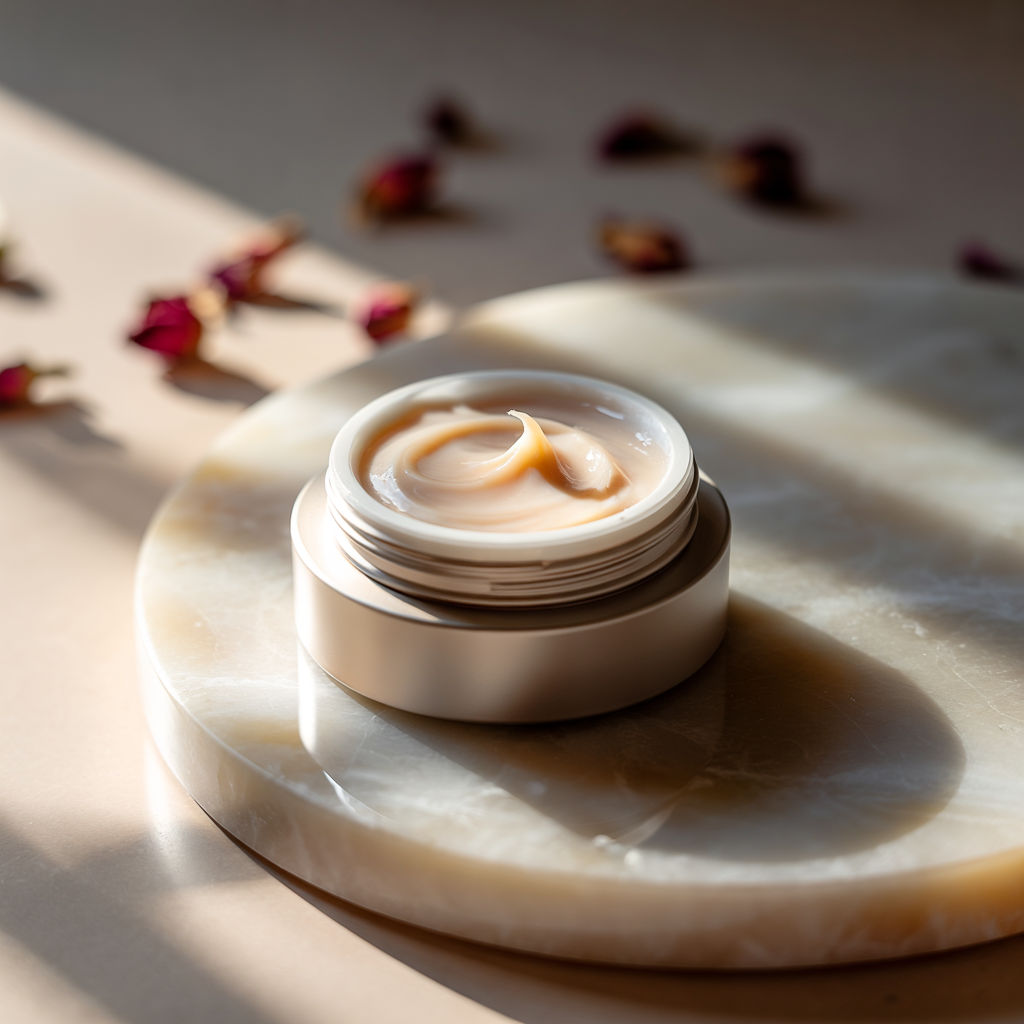
Pro Tip: Apply your ceramide cream while your skin is still slightly damp from washing. This traps the extra water molecules and helps the lipids sink in deeper rather than just sitting on the surface.
Ceramides are naturally occurring lipids in your skin, but they deplete over time and take a hit during extreme weather. When you apply them topically, you're essentially providing a supplemental support system. They help provide the building blocks your skin needs to maintain its barrier.
Don't just look for 'ceramides' on the bottle; look for a mix of them. Formulas that contain cholesterol and fatty acids alongside ceramides mimic the skin’s natural lipid structure perfectly. This is why some creams just feel 'right' the second they touch your face. They don't just sit there—they integrate.
My Top 4 Ceramide Picks for Windburned Skin
I enjoy using these creams when the wind chill drops. If you're struggling with redness, these are helpful additions to your routine.
First, there is the CeraVe Moisturizing Cream. It’s a classic for a reason. It uses MVE technology to release those ceramides slowly throughout the day. It’s non-comedogenic, which means you don't have to worry about the heavy texture causing a breakout.
Next, the La Roche-Posay Lipikar AP+M Triple-Repair Body Cream is a favorite. Even though it's technically a body cream, its intense concentration of prebiotic thermal water and ceramides makes it an excellent choice for dry, wind-whipped cheeks. It helps calm the heat of windburn.
Then we have the Skinfix Barrier+ Triple Lipid-Peptide Cream. If you are dealing with actual peeling, this is the splurge worth making. It is packed with active lipids and peptides that act like a second skin. It feels like a thick, luxurious hug for your face.
Finally, the Aveeno Calm + Restore Oat Gel Moisturizer is perfect if your skin is reactive and stinging. The combination of colloidal oatmeal and ceramides is incredibly soothing. It’s lighter than the others but still packs a punch for sensitive, inflamed skin.
Quick Picks Comparison
| Pick | Best For | Why It Wins |
|---|---|---|
| CeraVe Moisturizing Cream | Daily Barrier Support | Time-released hydration |
| La Roche-Posay Lipikar AP+M | Intense Redness | Prebiotic soothing power |
| Skinfix Barrier+ | Severe Peeling | Deep lipid replenishment |
| Aveeno Calm + Restore | Reactive/Stinging Skin | Colloidal oatmeal calm |
How to Layer Your Winter Routine
If you're interested in keeping your skin smooth while you focus on hydration, you should definitely check out our 5 Best Dermaplaning At-Home Kit Picks for 2026 to safely remove any dry, flaky skin cells before applying your creams. Just be gentle! You don't want to over-exfoliate when your barrier is already compromised.
Once you have prepped your skin, focus on the 'sandwich' method. Apply a hydrating toner, then your serum, and finally, a thick layer of your chosen ceramide cream. This locks everything in. If you're still feeling dry, add a tiny drop of facial oil on top of your cream to seal the deal. It's the ultimate winter armor.
Frequently Asked Questions
How do I know if my skin is windburned vs just dry?
Windburn usually presents with a stinging, burning sensation and bright, localized redness, often on the nose and cheeks. Simple dryness feels more like tightness and flaking across the entire face. If your skin hurts when you apply basic products, it’s likely windburn.
Can I use these creams if I have oily skin?
Absolutely, but choose your texture wisely. The Aveeno Calm + Restore Oat Gel Moisturizer is a fantastic choice because it provides heavy-duty ceramide support without the greasy finish. It hydrates without clogging pores.
How long does it take for windburn to heal?
With consistent use of a ceramide-rich cream, you should start seeing relief in 24 to 48 hours. Full recovery usually takes about 5 to 7 days, provided you protect your skin from further cold exposure.
Should I avoid active ingredients while my skin is windburned?
Yes, pause your retinol, vitamin C, and chemical exfoliants for a few days. Your skin is currently wounded and needs soothing, not stimulation. Once the stinging stops, you can slowly reintroduce your actives.
Can I apply these creams under makeup?
Yes, just let the cream absorb for about 5 minutes before applying foundation. If you're worried about pilling, tap the product into your skin rather than rubbing it vigorously. This helps it settle into the pores.
Conclusion
Windburned cheeks are no match for a solid skincare routine that prioritizes barrier health. By choosing the right ceramide-heavy moisturizer, you can stop the stinging and get back to that soft, hydrated glow we all love. Remember: listen to your skin, keep it simple, and protect that barrier.
If you want to keep your skin looking fresh and lifted while you heal, don't miss our article on Jade Roller vs Gua Sha — 4 Tools Ranked for 2026 for a nice lymphatic boost that doesn't irritate sensitive skin!
Your Beauty Action Plan
Start today: Swap your lightweight gel for a richer ceramide cream tonight to give your barrier a chance to recover while you sleep.
Do this now:
- Pick up the CeraVe Moisturizing Cream or Skinfix Barrier+ Triple Lipid-Peptide Cream to use as your nightly recovery mask.
- Stop using all exfoliants for at least 5 days to let the redness subside.
- Bookmark this page so you can reference the product comparison table next time your skin feels the winter sting.
Bottom line: Your skin barrier is your best defense against winter—treat it with ceramides and watch the irritation vanish.
What I'd Actually Buy
If you asked me to clear my shelf and start fresh for winter, here’s what I’d grab. These are effective at soothing that stinging, tight sensation when the wind chill drops.
First, I’m reaching for the Skinfix Barrier+ Triple Lipid-Peptide Cream. It’s definitely a splurge, but it feels like a weighted blanket for your face. It’s thick, rich, and has never broken me out, even when my pores are screaming for help.
Next, the CeraVe Moisturizing Cream is my ride-or-die for a reason. I keep the giant tub in my bathroom, and I use it as a thick overnight mask on my cheeks when they feel raw. It’s boring, but it works every single time.
For those days when I need a little extra glow without the grease, I’m grabbing the La Roche-Posay Toleriane Double Repair Face Moisturizer. It’s lighter than the others but still packs that ceramide punch.
Lastly, if I’m running out the door and the wind is whipping, I’ll layer the Aveeno Calm + Restore Oat Gel Moisturizer underneath everything. It’s incredibly cooling and helps take the heat out of a windburn.
More Frequently Asked Questions
Q: Should I be applying my ceramide cream while my skin is still damp?
A: Oh, absolutely! I always leave my skin a little dewy from my toner or essence before slathering on the cream. It locks in that extra hydration and helps the ceramides penetrate better. If your skin is totally bone-dry, the cream just sits on top, which isn't doing you any favors when the wind is trying to dehydrate you.
Q: Why does my windburn sting even more when I apply my regular serum?
A: It’s probably the active ingredients! If you’re using Vitamin C, glycolic acid, or even strong retinol, your skin barrier is likely too compromised to handle it. When you have windburn, think of your skin like an open scrape. You wouldn’t put lemon juice on a cut, right? Pause the actives, stick to the gentle stuff, and wait until the sting is gone before you reintroduce the fun chemicals.
*As an Amazon Associate I earn from qualifying purchases. This post may contain affiliate links at no extra cost to you.*
If you want to go deeper, read our guide on Best Ice Rollers vs Massagers: 4 Best 2026 Tools.