4 Best Retinol Beginner Starter Set Options for New Users
Why You Need a Retinol Beginner Starter
Okay, let’s be real for a second—everyone talks about retinol like it’s this magical, life-changing potion, but when you actually try to use it? It can feel like your skin is throwing a tantrum. I learned this the hard way back when I first started, and let me tell you, the redness and peeling were not the vibe. If you are ready to level up your skincare game, a retinol beginner starter set is exactly what you need. These sets are curated to help you ease into the world of vitamin A without the drama.
Here is what we are covering today:
- Why starting slow is the secret to glass skin.
- The best gentle formulas that won’t wreck your moisture barrier.
- How to build a routine that keeps your face happy and glowing.
If you want to understand how your skin barrier works before diving into strong actives, you should definitely check out our post on the 5 Best Barrier Repair Creams for Damaged Skin in 2026. It is honestly a lifesaver when you are trying out new products!
The Truth About Retinol
Retinol is basically a skin superhero. It is a form of vitamin A that tells your skin cells to turnover faster and helps produce more collagen. The result? Fewer fine lines, smaller-looking pores, and that glow we all chase. But here is the catch: it is a potent ingredient. If you go too hard, too fast, your skin will definitely let you know. That is why choosing the right starter set is so important.
Real Talk: I remember my first time using a high-strength serum. I thought more was better, and I ended up with dry, flaky patches for a week. Don’t do what I did—start low and slow!
If you are worried about breakouts while adjusting to new products, you should also read our Best Hormonal Acne Skincare Kit 2026. It breaks down how to handle active spots while keeping your routine balanced.
How to Build Your Routine
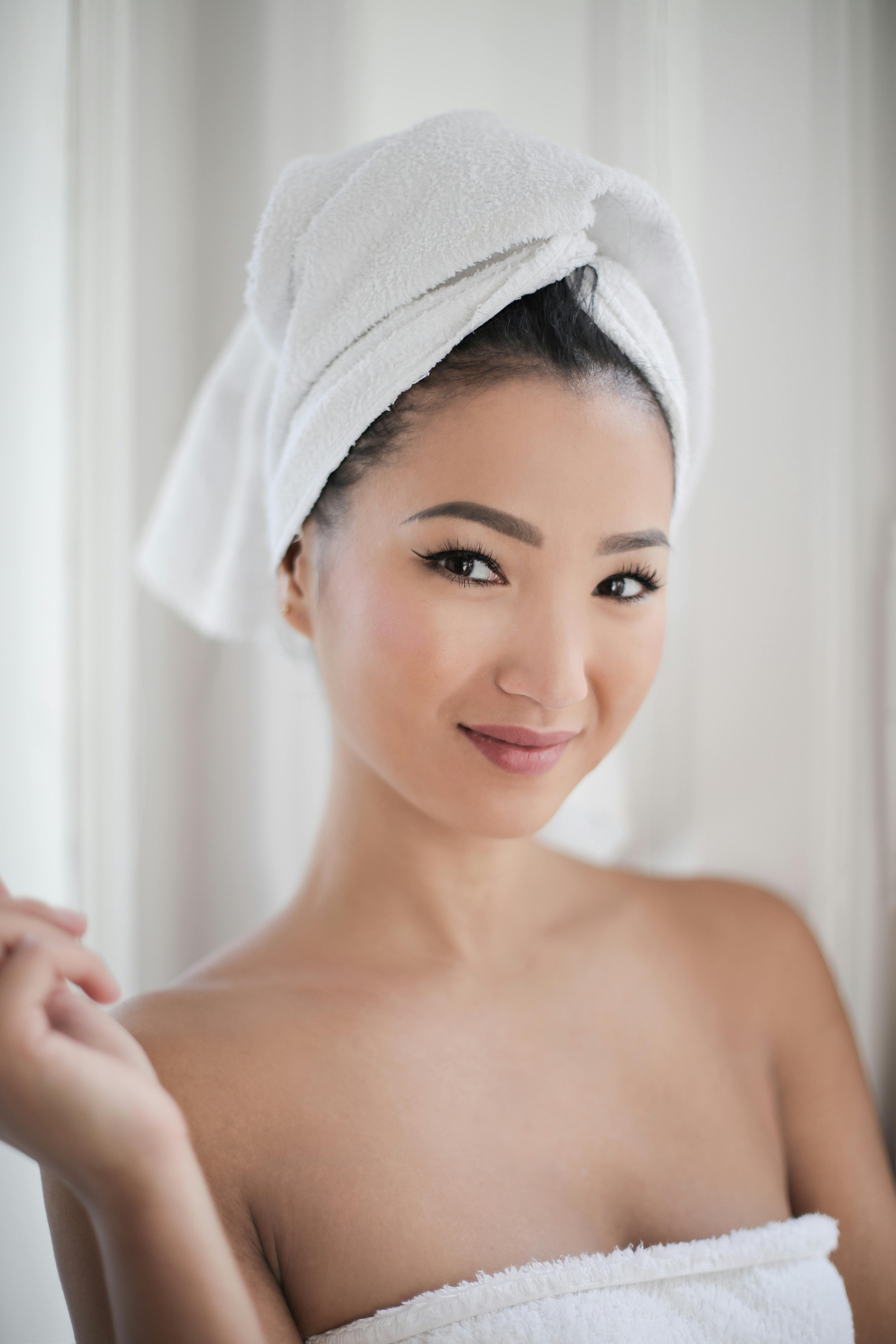
Building a routine around your new retinol is actually super simple. You want to keep everything else very gentle. Think of your other products as the supporting cast, while the retinol is the lead actor. You don’t need to complicate things with a million steps. Just focus on hydration and protection.
- Cleanse: Use a creamy, non-stripping cleanser.
- Hydrate: Apply a light layer of moisturizer before your retinol if your skin is sensitive.
- Retinol: Use a pea-sized amount only at night.
- Protect: Wear SPF 30+ every single morning without fail.
Pro Tip: If you ever feel like your skin is getting tight or irritated, take a break for two nights. Your skin needs time to adjust to the new turnover process.
Why These Sets Work
These kits are brilliant because they take the guesswork out of the equation. You get a cleanser, a treatment, and a moisturizer that are designed to play nice together. Many of the sets I love include niacinamide or ceramides, which help counteract the potential dryness from the retinol. It is all about balance, babe.
If you are confused about how to layer your serums, check out our Niacinamide vs Vitamin C Serum: The Ultimate Showdown 2026. It will help you figure out what else can fit into your evening routine alongside your new retinol products.
My Top Tips for Success
Consistency is the secret sauce here. Results often take time to appear as your skin adapts to new habits. Keep your expectations realistic, drink your water, and stay consistent with your routine. Your future self will thank you for the improved texture and clarity in your reflection.
Quick Picks Comparison
| Pick | Best for | Why it wins |
|---|---|---|
| CeraVe Retinol Resurfacing Serum | Sensitive skin types | It contains encapsulated retinol to smooth texture and niacinamide to help calm the skin. |
| The Ordinary Retinol 0.2% in Squalane | Beginners starting out | It uses squalane as a base to keep your skin hydrated while the retinol works. |
| La Roche-Posay Effaclar Adapalene Gel 0.1% | Acne-prone aging skin | It is a retinoid that helps clear clogged pores and smooths skin texture over time. |
| Neutrogena Rapid Wrinkle Repair Retinol Oil | Dry skin types | It helps minimize the look of wrinkles while keeping your face feeling soft and nourished. |
Your Beauty Action Plan
Start today: Clear off your vanity and pick one of these starter sets to focus on for the next month.
Do this now:
- Purchase your chosen retinol beginner starter set and keep the receipt.
- Use it only 2 nights a week for the first two weeks to let your skin acclimate.
- Bookmark this page so you can come back and check your progress in a month.
Bottom line: Patience is the most important ingredient in your skincare routine, so let the retinol work its magic slowly!
Frequently Asked Questions
Can I use retinol every single night right away?
Definitely not! I recommend starting with twice a week. If your skin handles that well, you can slowly increase the frequency over several weeks.
What should I do if my skin starts peeling?
That is totally normal! Just scale back to once a week and focus on heavy-duty hydration with a good moisturizer. Your skin just needs a little extra love while it adjusts.
Is it okay to use my retinol in the morning?
Nope, stick to evening use only. Retinol can make your skin more sensitive to the sun, so it is safer and more effective to apply it at night when your skin is in repair mode.
Should I skip my other serums when using retinol?
It is best to keep your routine simple while you are getting started. Don't mix your retinol with strong acids like glycolic or salicylic acid until your skin is totally used to the routine.
How much product should I actually apply?
A pea-sized amount for your entire face is perfect. Applying more doesn't make it work faster; it just increases the chance of irritation.
Final Spritz
I really hope this helps you feel more confident about starting your journey with these products! If you found this helpful, why not share it with your bestie who is also looking to refresh her routine? For more skincare wisdom, check out our 5 Slugging Skincare Products That Repair Dry Skin in 2026 to keep that glow locked in all year long.
What I'd Actually Buy
If you sneaked into my bathroom cabinets right now (no judgment, please, it’s a chaotic beauty wonderland), you’d see that I practice what I preach. When my younger sister asked me for a beginner-friendly retinol recommendation last month, I didn’t hesitate. I pointed her straight toward the CeraVe Resurfacing Retinol Serum. It is honestly the ultimate training wheels product. Because it’s packed with three essential ceramides and niacinamide, it keeps your skin barrier happy while the encapsulated retinol gently does its thing. I used this exact serum to fade some stubborn post-acne marks, and it never once made my skin flaky or angry.
Another absolute holy grail for beginners is The Ordinary Granactive Retinoid 2% in Emulsion. Granactive retinoid is a next-gen technology that is formulated to be gentle compared to traditional retinol. The texture is like a dreamy, milky fluid that absorbs quickly. It’s perfect if you prefer lightweight formulas at night but still want to wake up with a refreshed, plump look.
If you have a slightly bigger budget and want that luxurious French pharmacy vibe, the La Roche-Posay Retinol B3 Serum is gorgeous. It combines pure retinol with gradual-release retinol so your skin isn't hit with a sudden shock. Plus, the added Vitamin B3 (niacinamide) acts like a soothing hug for your skin. I love using this one on Sunday nights when I want to feel extra fancy during my self-care wind-down.
Your Beauty Action Plan
Starting retinol doesn't have to feel like a high-stakes science experiment. Here is your foolproof, three-step action plan to get that glow without the glow-down:
- Master the "Sandwich" Method: On your retinol nights, apply a thin layer of your favorite basic moisturizer first. Let it dry for five minutes, tap on your pea-sized amount of retinol, and then seal it all in with another layer of moisturizer. This buffers the active ingredient, reducing irritation without ruining its efficacy.
- Lock Down Your SPF: Retinol makes your skin baby-fresh, which also means it’s highly vulnerable to UV damage. If you aren't wearing SPF 30+ every single morning, put the retinol down! You'll just undo all your hard work.
- Document the Journey: Take a bare-faced selfie in the exact same lighting today, then ignore your skin's minor daily shifts. Check back in four weeks, and then eight weeks. Real cosmetic change takes time, and seeing those side-by-side photos will keep you motivated!
Two More Burning Questions
Since we are chatting like besties, let’s clear up two more things that always trip people up:
Can I put retinol on my neck and chest, or is that too risky?
You can, but proceed with extreme caution! The skin on your neck is much thinner and has fewer oil glands than your face, meaning it gets irritated super easily. I like to mix whatever tiny leftover residue is on my fingers with my neck cream rather than applying a fresh pump directly to the neck area.
How can I tell if my skin is "purging" or if the product is just breaking me out?
Great question! Purging happens because retinol speeds up cell turnover, pushing existing clogs to the surface faster. It typically occurs in areas where you *usually* break out, and the blemishes should clear up relatively quickly. If you're breaking out in brand-new spots where you never get pimples, or if your skin feels hot, itchy, and red, that's likely irritation or a reaction, not a purge. Time to take a break!
*As an Amazon Associate I earn from qualifying purchases. This post may contain affiliate links at no extra cost to you.*
What I'd Actually Buy
If I'm being honest, these are the ones I'd reach for: CeraVe Retinol Resurfacing Serum, The Ordinary Retinol 0.2% in Squalane, La Roche-Posay Effaclar Adapalene Gel 0.1%, Neutrogena Rapid Wrinkle Repair Retinol Oil. They're the picks that match this routine without the fluff.