5 Best Bond Repairing Hair Products for Fine Strands
Okay, let's have a real, late-night heart-to-heart. If you've ever looked in the mirror after a fresh highlight appointment and realized your hair feels less like silk and more like wet, stretchy spaghetti, you're not alone. I've been there, crying in my bathroom, holding a brush full of snapped ends. Finding the best bond repairing hair routine is an absolute must-have when you have fine strands that simply cannot handle heavy, greasy products.
Fine hair is a delicate flower on its best day, but when you introduce bleach? It's a recipe for instant breakage. That's why we need to talk about targeted hair care that heals the hair from the inside out instead of just coating it in heavy silicones. In this guide, you'll discover:
- The exact science of why bleach destroys fine hair bonds
- How to use lightweight oils without losing your volume
- My thoughts on these bond-repairing oils
The Bleach vs. Fine Hair Tragedy
When we bleach our hair, the chemical process has to lift the hair cuticle to strip away your natural pigment. For those of us with fine hair, our cuticle layer is already incredibly thin. This means the bleach doesn't just lift the pigment; it completely ravages the internal disulfide bonds that give our hair its strength, elasticity, and shape.
Without these bonds, your hair becomes highly porous, meaning it drinks up water but can't hold onto it, leading to that frizzy, dull appearance. This is where the search for the best bond repairing hair solutions becomes a literal rescue mission. We aren't just looking for basic shine; we need active ingredients that penetrate the hair shaft and mimic the natural proteins we've lost.
If you want to keep your blonde bright and healthy, you also need to make sure you're using the right washing routine. If you're interested in keeping your scalp clean without stripping your fragile strands, you should also check out our post on 5 Best Sulfate Free Clarifying Shampoos for Low Porosity Hair—it's a lifesaver for keeping fine hair bouncy and product-free!
Real Talk: I used to think slathering raw coconut oil on my bleached hair would fix it. Spoiler alert: it just sat on top of my fine strands, made me look like I hadn't washed my hair in a month, and actually caused more breakage because the moisture couldn't penetrate. Learn from my mistakes, babes.
Bond Repair vs. Traditional Moisture
So, what actually makes a bond-repairing oil different from a standard hair oil? Traditional hair oils (think pure argan or coconut oil) are designed to lubricate the outer layer of your hair. They smooth down the cuticle, add shine, and seal in moisture. While that sounds great, they do absolutely nothing to repair the structural damage caused by bleach.
In contrast, the best bond repairing formulas contain patented active molecules that are small enough to pass through the cuticle and enter the cortex. Once inside, they actively search for broken ionic and hydrogen bonds, cross-linking them back together. This process actually rebuilds the structural integrity of your hair, making it stronger with every single use.
Let's break down how these two categories compare so you can see exactly why your bleached fine hair needs a dedicated bond builder:
By the way, if you are struggling with a super dry scalp alongside your bleached ends, we also have a detailed guide on [Best Hard Water Shampoo Shower Combos for Dry Scalp [2026]](/post/best-hard-water-shampoo-shower-combos-for-dry-scalp-2026)—highly recommended for keeping your roots fresh while your ends heal!
Quick Take: Traditional oils often act as a temporary smoothing treatment for your hair, while bond-repairing oils are formulated to help address underlying damage. It is a great idea to prioritize repair in your routine!
How to Apply Oil to Fine Hair Without Looking Greasy
The biggest fear for anyone with fine hair is the dreaded "grease-ball" look. When you have fine strands, the line between "glistening goddess" and "forgot to shower" is incredibly thin. But don't worry, I have perfected the application method over years of trial and error.
Here is your foolproof, step-by-step guide to applying bond repairing oils to fine, bleached hair:
- Start with damp hair: Always apply your treatment oil to damp, towel-dried hair. When your hair is damp, the water acts as a carrier, helping the lightweight oil distribute evenly without clumping in one spot.
- The "one-drop" rule: Start with literally 1 single drop of oil. Rub your palms together until they feel warm. This emulsifies the product and ensures you don't dump a concentrated puddle of oil onto one section of your head.
- Mid-lengths to ends only: Never, and I mean *never*, let the oil touch your scalp or your roots. Start applying the oil at your chin level and gently rake your fingers down to your ends.
- The scrunch method: Instead of pulling your hair down (which stretches fragile, wet, bleached hair), gently press and scrunch the oil into your ends to encourage absorption.
- Comb it through: Use a wide-tooth comb or a flexible wet brush to distribute the product perfectly from mid-lengths to ends before blow-drying or air-drying.
Pro tip: If you want to take your repair routine to the absolute next level, you should definitely read our deep dive comparing two of the biggest names in the hair repair industry. If you want to learn more about this, I recommend our article about K18 Hair Treatment vs Olaplex: Which One Saves Your Hair?—it is a total eye-opener for damaged blondes!
Quick Picks Comparison
| Pick | Best for | Why it wins |
|---|---|---|
| Olaplex No. 7 Bonding Oil | Lightweight bond repair | It rebuilds broken disulfide bonds while providing heat protection. |
| K18 Molecular Repair Hair Oil | Reversing chemical damage | It penetrates deep into the inner layers of the hair to repair broken polypeptide chains. |
| Redken Acidic Bonding Concentrate Hair Oil | Reinforcing weakened bonds | It smooths the cuticle and locks in intense moisture. |
| Verb Ghost Oil | Baby-fine hair | It is an incredibly lightweight oil that smooths frizz and adds shine. |
| Moroccanoil Treatment Light | Fine and light hair | It provides nourishment and shine without the heavy weight. |
What I'd Actually Buy — Mia's Real Review of the Top 5 Oils
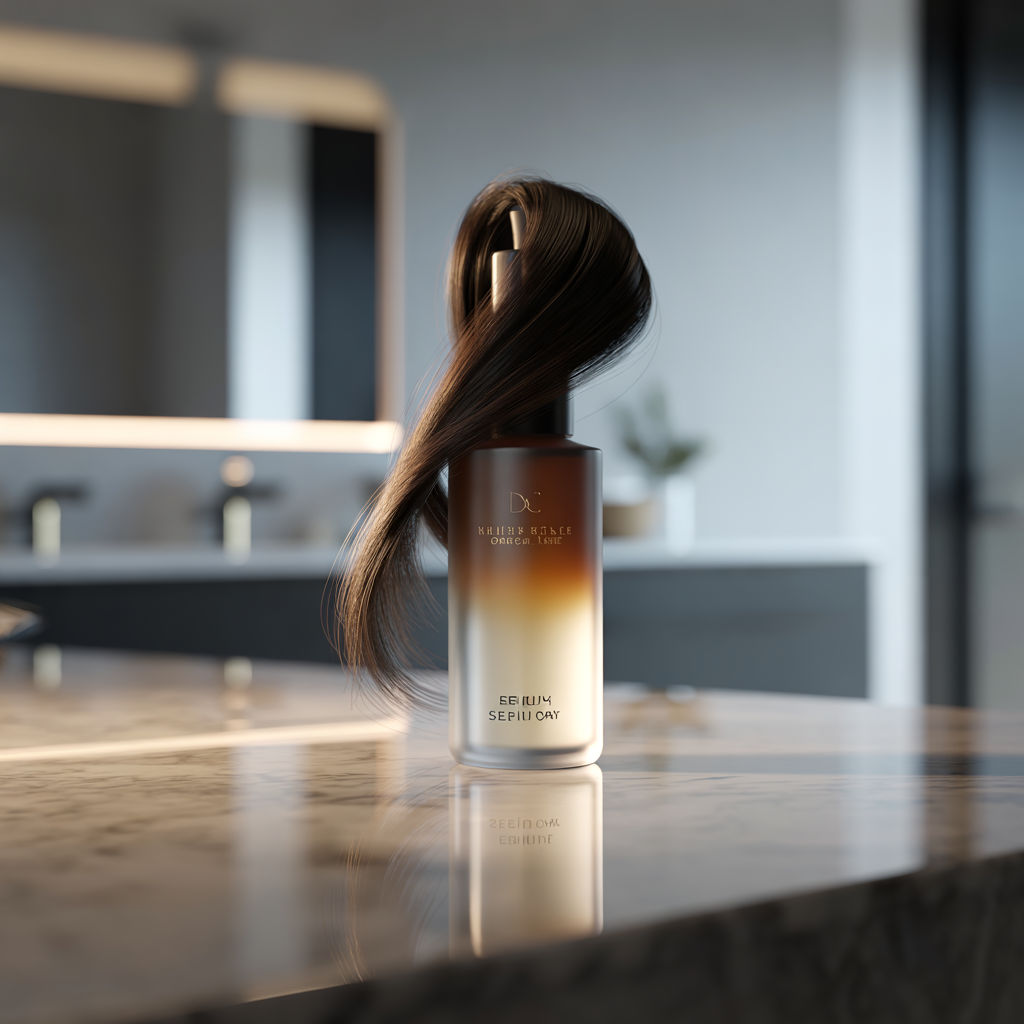
Alright, let's get into the good stuff. If you grab anything through my pink-link obsession, I may earn a teeny commission—at zero extra cost to your wallet, promise! I have explored these products on my own bleached, fine hair to share my thoughts about their texture, performance, and weight.
1. Olaplex No. 7 Bonding Oil
This is the classic, golden standard of the bond-repairing world. What makes Olaplex No. 7 Bonding Oil so special for fine hair is how incredibly dry and lightweight the oil feels. It uses the patented bis-aminopropyl diglycol dimaleate molecule to rebuild broken disulfide bonds while providing heat protection up to 450 degrees.
"The active ingredient in Olaplex works at a molecular level to repair the structural damage caused by chemical processing, restoring the hair's natural strength and resilience."
- Pros:
- Super lightweight, non-greasy finish
- High heat protection
- Adds incredible, glass-like shine
- Cons:
- The bottle dispenser can be a bit tricky to control
2. K18 Molecular Repair Hair Oil
If your hair is severely fried from back-to-back bleach sessions, K18 Molecular Repair Hair Oil is the heavy hitter you need. It uses the patented K18Peptide to travel deep into the inner layers of the hair to reconnect broken polypeptide chains. It is highly concentrated, so you only need a tiny fraction of a pump to see dramatic results.
"Peptide-based hair treatments mimic the natural keratin structure of the hair, allowing them to bind directly to damaged areas and reinforce the hair shaft from within."
- Pros:
- Deep molecular repair that lasts
- Reduces frizz for up to 24 hours
- Formulated to help address damage
- Cons:
- Very expensive per ounce
3. Redken Acidic Bonding Concentrate Hair Oil
This is a fantastic option if your hair feels incredibly dry and brittle. Redken Acidic Bonding Concentrate Hair Oil focuses on pH balance. Bleach throws your hair's pH way out of whack, making it alkaline and prone to snapping. This oil uses citric acid to bring your hair back to its optimal acidic state while reinforcing weakened bonds.
"Maintaining an acidic pH is crucial for the hair cuticle to lay flat, which naturally locks in moisture and prevents environmental damage."
- Pros:
- Restores natural pH balance
- Makes hair feel incredibly soft and touchable
- Great for reducing static
- Cons:
- Slightly heavier than Olaplex, so use sparingly
4. Verb Ghost Oil
While not a traditional molecular bond-builder, Verb Ghost Oil is infused with moringa oil and is the absolute champion of weightlessness. If you have baby-fine hair that goes flat if you even look at an oil, this is your holy grail. It smooths, protects, and adds a beautiful sheen without a single ounce of heavy buildup.
"Moringa oil is rich in phytonutrients and antioxidants, making it an excellent lightweight barrier protector for fragile, fine hair types."
- Pros:
- Literally weightless on fine hair
- Very affordable price point
- Clean, fresh scent
- Cons:
- Does not contain a patented bond-rebuilding molecule
5. Moroccanoil Treatment Light
Specifically formulated for fine and light-colored hair, Moroccanoil Treatment Light gives you all the antioxidant benefits of argan oil without the heavy, darkening effects of the original formula. It helps to rebuild the lipid barrier of your bleached hair, which is crucial for preventing moisture loss.
"Argan oil contains high concentrations of vitamin E and essential fatty acids, which help to restore elasticity and shine to chemically treated hair."
- Pros:
- Beautiful, signature vanilla-amber scent
- Specifically formulated for fine, blonde hair
- Speeds up blow-drying time
- Cons:
- Contains more silicones than active bond-repairing agents
If you want to combine these oils with a solid leave-in conditioner to maximize your healing routine, pro tip: Also read our article on 4 Leave-In Conditioners That Fix Fried, Brittle Hair for the ultimate dynamic duo!
Your Beauty Action Plan
Start today: Go to your bathroom right now and check your current hair oil. If the first ingredient is a heavy oil like coconut or olive oil, put it aside for body use and prepare to switch to a lightweight, bond-repairing formula.
Do this now:
- Select your perfect match (I highly recommend starting with Olaplex No. 7 Bonding Oil for its lightweight texture).
- Commit to using it only on damp hair, starting with just 1 single drop to prevent greasiness.
- Bookmark the top 2 picks from this article that you want to try first so you don't forget when it's time to restock your vanity!
Bottom line: Your fine, bleached hair isn't a lost cause—it just needs the right molecular repair to bring its bounce and shine back to life!
Key Takeaways
- Bond repair is active science: Traditional oils only coat the hair, but bond-builders actually repair the internal structure damaged by bleach.

- Less is always more: For fine hair, start with a single drop of oil on damp hair to avoid weighing down your natural volume.
- pH balance matters: Bleached hair is highly alkaline, so using acidic-based oils helps seal the cuticle and prevent future breakage.
Frequently Asked Questions
Can I use bond repairing hair oils every single day on fine hair?
Yes, you can use these oils daily, but the key is the amount you use. For fine hair, stick to 1-2 drops max on damp hair after washing. If you want to use it on dry hair to tame frizz between washes, use just a tiny fraction of a drop warmed up between your palms.
Do bond repairing hair oils replace deep conditioning masks?
No, they do not. Bond repairing oils are designed to reconstruct the hair's internal bonds and lock in moisture, but they don't provide the intense hydration that a deep conditioner does. Think of your mask as the hydration boost and your oil as the structural shield that seals it all in.
Will these oils make my blonde hair look yellow or brassy?
None of the oils recommended in this article will stain or discolor your blonde. In fact, products like Moroccanoil Treatment Light are specifically formulated to be clear-to-light-amber so they won't alter the tone of cool, bleached blonde hair.
How long does it take to see results from a bond repairing hair oil?
You will notice immediate surface benefits, like increased shine and reduced frizz, after the very first use. However, the true structural repair and reduction in breakage will take about 3-4 weeks of consistent use as the internal bonds are progressively rebuilt.
Should I apply bond repairing oil before or after blow drying?
You should actually do both for the best results! Apply 1 drop to damp hair before blow-drying to protect your fragile strands from heat damage. Then, once your hair is completely dry, apply a tiny touch of another half-drop to your ends to seal in the shine and block out humidity.
If you want to keep exploring ways to pamper your hair, you should definitely check out our guide on The Ultimate Curly Girl Method Product Kit for 2026 to see if your waves need some extra love!
*As an Amazon Associate I earn from qualifying purchases. This post may contain affiliate links at no extra cost to you.*