4 Best Bond Repairing Hair Oils for Damaged Hair
Okay so here's the thing… I went platinum blonde last summer, and my fine hair paid the ultimate price. I'm talking straw-like texture, snap-happy ends, and a total lack of life. If you've been searching for the best bond repairing hair oils to rescue your bleach damaged strands without turning your delicate, fine hair into a greasy, weighed-down mess, you are in the exact right spot. I spent months testing the most viral formulas on the market to see which ones actually rebuild your hair from the inside out.
If you grab anything through my pink-link obsession, I may earn a teeny commission—at zero extra cost to your wallet, promise!
In this guide, we are going to cover:
- Why fine, bleached hair requires a completely different approach to bond repair
- The exact ingredients that rebuild broken disulfide bonds
- My honest, unfiltered reviews of the top four lightweight hair oils
- A foolproof, non-greasy application routine you can start tonight
The Science of Bleach vs. Fine Hair
When we lift our hair with bleach, we aren't just stripping away color. The chemical process of bleaching forces open the hair cuticle and actively breaks down the internal disulfide bonds that give our hair its strength, elasticity, and structure. For those of us with fine hair, this is a double whammy. Our individual strands are already naturally thin, meaning they have a much smaller cortex and less natural structural support than coarse hair.
When bleach attacks fine hair, it leaves the strands incredibly fragile, porous, and prone to snapping at the slightest tension. Traditional heavy hair oils only sit on top of the cuticle, masking the damage temporarily while pulling your fine hair down into a flat, lifeless curtain. We need something that actually penetrates the cortex to repair those broken links.
Real Talk: I learned this the hard way after slathering my head in raw coconut oil for a week. My hair didn't get stronger; it just looked like a frying pan accident and snapped anyway when I brushed it. We need targeted chemistry, not heavy kitchen grease!
To truly fix this, we have to look for advanced bond repairing hair products. These formulas utilize patented, small-molecule technology capable of entering the hair shaft to patch up the internal structure, rather than just coating the outside.
Why Traditional Oils Fail Fine Hair
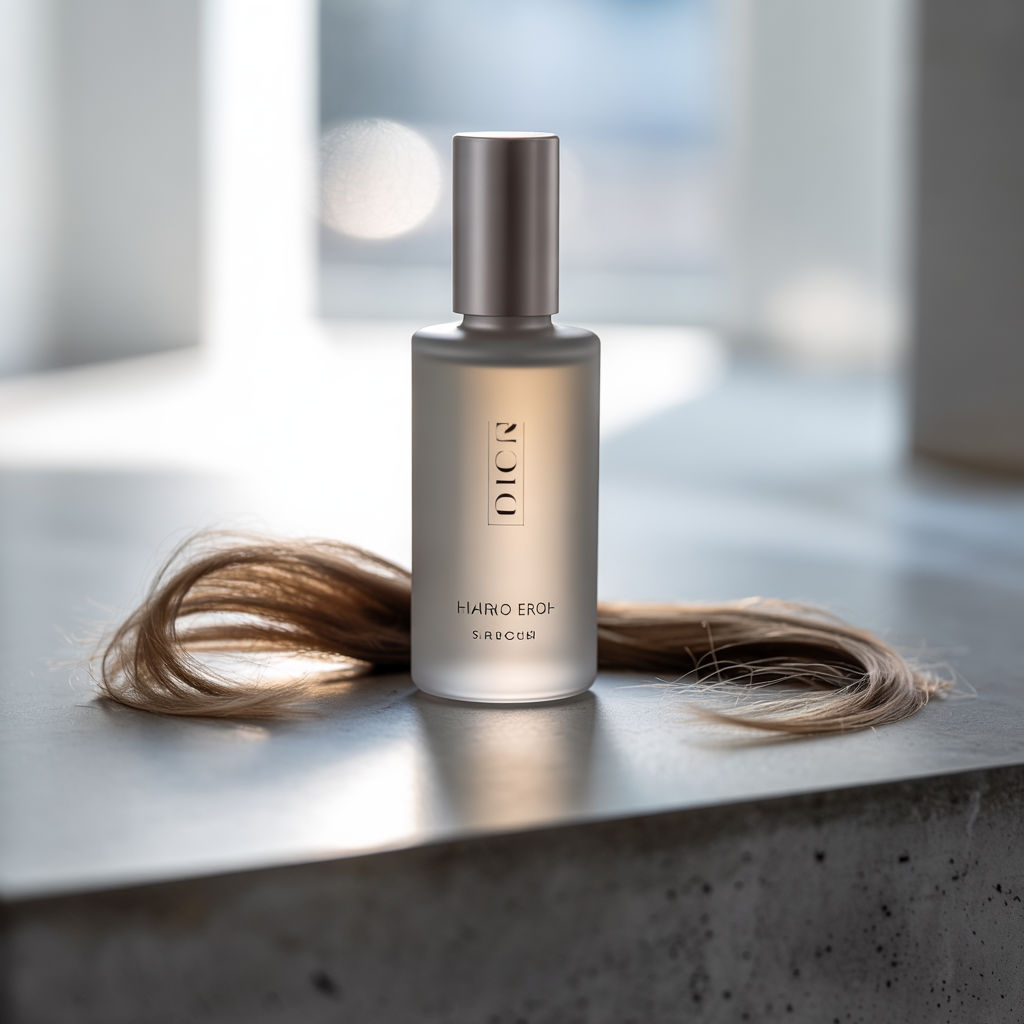
Traditional oils like argan, olive, or castor oil are wonderful for coarse, thick textures, but they are too heavy for fine hair. Fine hair has a lower tolerance for heavy lipids. When you apply heavy oils to fine, damaged hair, the porous strands absorb the oil like a sponge, filling up the cuticle space and preventing water—which fine hair desperately needs for elasticity—from entering.
This leads to a phenomenon called hygral fatigue and chronic limpness. Bond repairing hair oils are formulated differently. They typically use ultra-lightweight carrier agents like hemi-squalane or moringa seed oil combined with active bond-builders. This allows the active ingredients to penetrate deep into the cortex while the carrier oil evaporates or creates an microscopic, weightless shield on the surface.
By the way, if your ends are looking scary dry, we also have an incredibly helpful guide on 4 Leave-In Conditioners That Fix Fried, Brittle Hair that works miracles alongside these oils.
What to Look For on the Ingredient Label
When shopping for your new hair savior, keep an eye out for these high-performing ingredients:
- Bis-Aminopropyl Diglycol Dimaleate: The gold-standard patented bond builder that re-links broken disulfide bonds.
- K18Peptide: A bio-mimetic peptide that mimics the natural keratin structure to repair broken polypeptide chains.
- Hemi-squalane: A plant-derived, ultra-lightweight alternative to silicone that provides slip and shine without build-up.
- Moringa Oil: A nutrient-dense, dry oil that absorbs quickly to help smooth the cuticle without adding weight.
My Ultimate Fine Hair Bond Oil Showdown
To make your decision as easy as possible, I put the absolute best options to the test. Here is how they compare across the metrics that actually matter to us fine-haired girlies:
If you're torn between these two heavy hitters, you should definitely read my deep-dive comparison on K18 Hair Treatment vs Olaplex to see which brand actually wins the crown for overall damage reversal.
Quick Picks Comparison
| Pick | Best for | Why it wins |
|---|---|---|
| Olaplex No. 7 Bonding Oil | Bond repair, heat protection | This highly-concentrated, golden oil utilizes patented technology to rebuild broken disulfide bonds. |
| K18 Molecular Repair Hair Oil | Severe bleach damage | It leverages the patented K18Peptide to reverse damage at the molecular level. |
| Verb Ghost Oil | Fine hair, daily styling | It is specifically designed to smooth frizz, detangle, and enhance shine in fine hair without weighing it down. |
| Moroccanoil Treatment Light | Fine, light-colored hair | Infused with antioxidant-rich argan oil and shine-boosting vitamins, it detangles, speeds up drying time, and leaves bleached strands feeling soft. |
What I'd Actually Buy (And How I Use It)
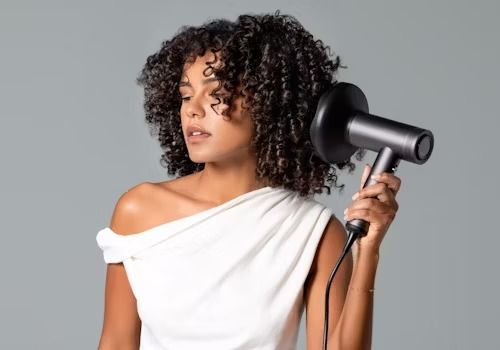
If I could only keep one product on my vanity for the rest of my life, it would hands-down be the Olaplex No. 7 Bonding Oil. It is the only oil that consistently gives my fine, bleached hair that glassy, healthy-looking shine without making it look like I haven't washed my hair in a week.
However, if my hair is feeling particularly gummy or snapping when wet, I reach for the K18 Molecular Repair Hair Oil. It's a bit more of an investment, but the peptide technology is unmatched when it comes to restoring structural integrity to highly compromised hair. For daily styling and simple frizz control, Verb Ghost Oil is an absolute steal that you cannot mess up, even if you are heavy-handed!
Pro Tip: When applying any of these oils, always start with 1-2 drops max. Warm it up between your palms until your hands feel warm, then glaze it over your mid-lengths to ends. Never apply directly to your roots!
If you want to make sure your scalp is clean and ready to absorb all these nutrients without any buildup blocking your hair follicles, I highly recommend checking out my post where I Tried 12 Scalp Scrub Exfoliator Picks — Here's My Honest R.
The Step-by-Step Routine for Bleached Fine Hair
To get the absolute most out of your bond repairing hair routine, follow this simple, damage-reversing washing and styling method:
- Double Cleanse: Wash your scalp twice with a gentle, sulfate-free shampoo to remove buildup and prep the cuticle.
- Deep Condition: Apply a lightweight, protein-rich mask to your mid-lengths and ends, leaving it on for 5-10 minutes before rinsing thoroughly.
- Towel Dry Gently: Press your hair with a microfiber towel or cotton t-shirt. Do NOT rub, as wet fine hair is incredibly fragile.
- Apply Leave-In Treatment: Mist a lightweight leave-in spray to detangle.
- The Oil Glaze: Warm 1-2 drops of your chosen best bond repairing hair oils in your hands and press them gently into your damp ends.
- Blow Dry with Tension: Blow dry on medium heat using a high-quality brush to seal the cuticle and lock in the bond-repairing active ingredients.
Pro tip: If your blonde is looking dull, dry, and brassy, it might actually be due to mineral buildup from your shower water. Check out our review of the [Best Hard Water Shampoo Shower Combos for Dry Scalp [2026]](/post/best-hard-water-shampoo-shower-combos-for-dry-scalp-2026) to fix your base before you even apply your styling oils!
Quick Take: Rebuilding bleach-damaged fine hair is a marathon, not a sprint. Combining a dedicated bond-building oil with gentle washing habits will yield visible improvement in strength and shine within 2-3 weeks.
Key Takeaways
- Fine hair requires ultra-lightweight, dry carrier oils like squalane or moringa to avoid a flat, greasy finish.
- Active bond-building ingredients are necessary to repair the internal disulfide bonds broken during the bleaching process.
- Always apply hair oil to damp hair first to seal in hydration, using no more than 1-2 drops to start.
Your Beauty Action Plan
Start today: Go to your bathroom right now and check the ingredients of your current hair oil. If coconut oil or heavy silicones are in the top three ingredients, set it aside for your body and prepare to swap it for a lightweight bond-builder.
Do this now:
- Choose your formula: Grab Olaplex No. 7 Bonding Oil for daily shine or K18 Molecular Repair Hair Oil for structural repair.
- Wash your hair tonight, towel dry gently, and apply exactly 1 drop of your new oil to your damp ends.
- Keep a hair journal: Take a quick photo of your ends in natural light today, then compare it after 2 weeks of consistent use.
Bottom line: Your fine hair doesn't have to stay fried—investing in a high-quality bond repairing oil is the fastest, easiest way to bring your blonde back to life!
Frequently Asked Questions
Can I use bond repairing hair oils every single day?
Yes, you can absolutely use these oils daily! However, if you have fine hair, stick to just 1 drop on dry ends in the morning to smooth down frizz and add shine. Applying too much daily without washing can cause light buildup, so pay attention to how your hair feels.
Will bond repairing hair oils make my fine hair look greasy?
Not if you apply them correctly! The key is to apply the oil to damp hair first, which helps distribute the product evenly. Avoid your roots entirely and start with a tiny amount—you can always add more, but it's hard to get it out once applied.
How long does it take to see results from bond repairing hair oils?
You will see immediate cosmetic results, like increased shine and less frizz, after the very first application. For actual structural repair and a reduction in breakage, you will need to use the product consistently for about 3-4 weeks.
Can I mix these oils with my regular leave-in conditioner?
Yes, this is actually one of my favorite styling hacks! Mixing 1 drop of oil with a dime-sized amount of your favorite leave-in conditioner creates a custom cream-oil hybrid that glides through fine hair beautifully and seals the cuticle perfectly.
Do these oils provide heat protection for blow drying?
Many of them do! For example, Olaplex No. 7 Bonding Oil provides heat protection up to 450°F (232°C), making it an excellent pre-styling treatment. Always check the packaging of your specific oil to ensure it has built-in heat protection before using hot tools.
If you want to keep exploring ways to protect your delicate strands, you should check out our guide on how to stop frizz with the ultimate curly girl method product kit to keep your waves looking bouncy and defined!
*As an Amazon Associate I earn from qualifying purchases. This post may contain affiliate links at no extra cost to you.*