Find Your True Foundation Shade with 3 Simple Steps
Okay, let's be totally honest for a second. Have you ever walked out of the house thinking your makeup looked absolutely flawless, only to catch a glimpse of yourself in your car mirror and realize you look slightly green, kind of gray, or wildly orange? I have been there more times than I care to admit. Trying to find true foundation shade matches when you have warm olive skin can feel like an absolute nightmare. Standard beauty counters usually try to shove us into 'warm yellow' or 'cool pink' boxes, leaving us looking like we are wearing a mask.
Before we jump into the magic formulas, here's a quick heads-up: If you're grabbing anything through my pink-link obsession, I may earn a teeny commission—at zero extra cost to your wallet, I promise!
Here is what we are covering today to solve your shade-matching struggles:
- How to identify the unique green-gold balance in your skin
- The simple home tests that actually work (no fancy equipment needed)
- How to use color mixers to fix any foundation that is almost perfect
- The exact swatching technique that prevents makeup lines on your jaw
What Exactly is a Warm Olive Undertone?
To find foundation matches, it's helpful to understand what warm olive actually means. Some people think 'olive' automatically means dark or tan skin, but that's a common misconception. You can be pale olive, deep olive, or anywhere in between. Olive skin simply means your skin has a mixture of yellow and greenish tones.
When we talk about a warm olive undertone, your skin has a golden, yellow-green cast. If you've got a cool olive undertone, you'll have more of a blue-green, slate-like cast. Standard warm foundations are formulated with peach or orange pigment, which is why they don't look natural on you. You need a base that respects the delicate green-gold balance of your skin.
If you're tired of foundations turning muddy, you should definitely check out our post on Stop Looking Gray — 4 Ways to Find Your True Foundation because it's a great way to understand the science of undertones.
Real Talk: I've spent years buying 'golden' foundations thinking they were my match, only to look like an extra from a cartoon. The moment I realized I was a warm olive, it's like my entire makeup routine changed.
The Dreaded Gray or Orange Dilemma
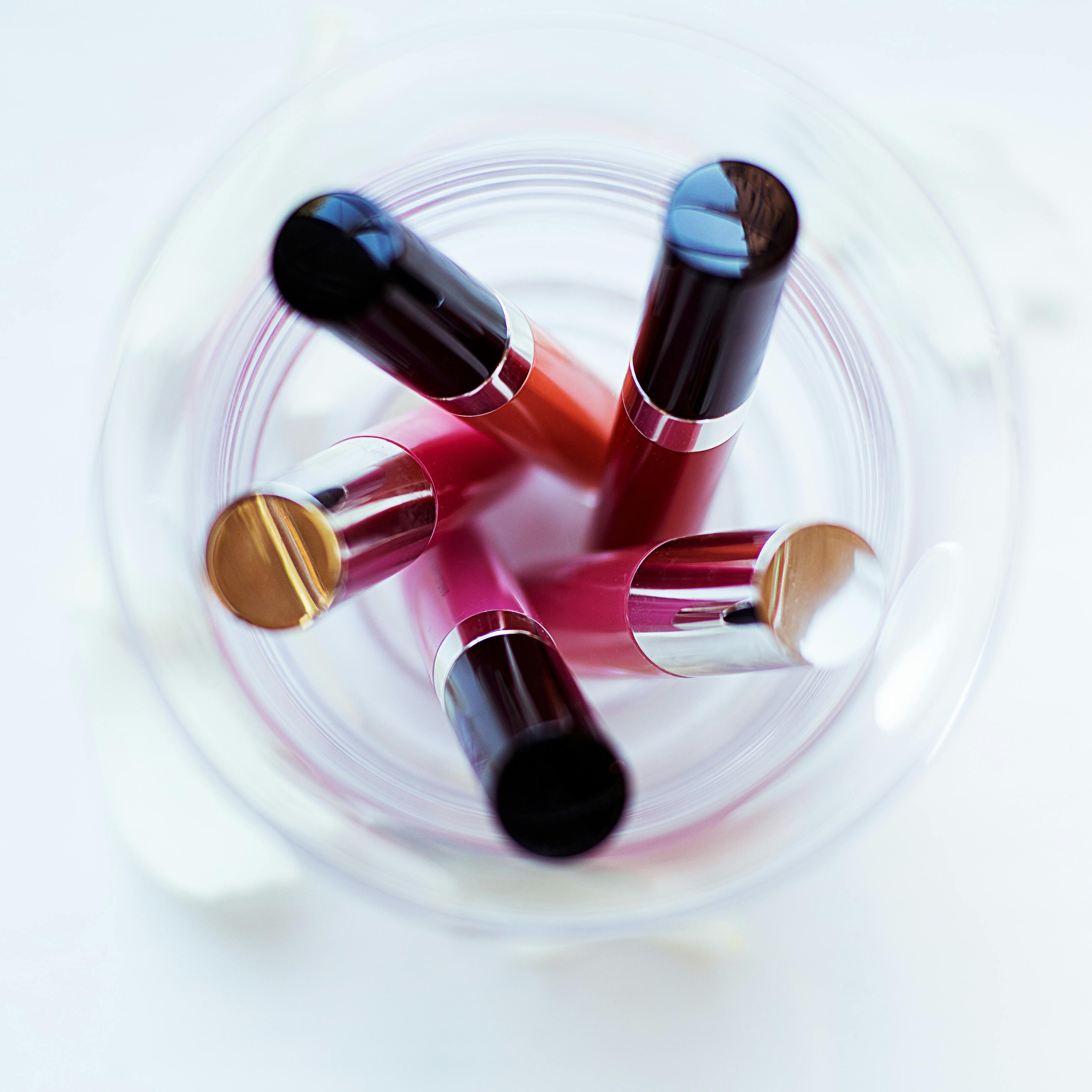
Here's an image of the struggle, and we're sure you'll relate.
Why does this happen? Standard makeup brands create shades using pink, yellow, and red pigments. When an olive skin tone applies a foundation that lacks green pigment, the skin's natural greenness can neutralize the red or pink in the foundation. This neutralization is based on color theory: green and red are opposites on the color wheel. When they mix on your face, they can appear gray.
On the flip side, if the foundation is too warm and yellow, the lack of green makes the yellow appear more orange on your skin. It is a common cycle. You may find yourself appearing gray or orange, with little middle ground.
If redness is your main concern alongside olive tones, I highly recommend our review of the 5 Best Drugstore Color Correcting Primers for Redness to prep your canvas.
Quick Take: If your foundation looks gray, it is too cool or lacks olive pigment. If it looks orange, it is too warm/peach. You need a true olive formulation.
How to Test Your Skin at Home
You do not need a professional color analysis to find true foundation options. Here are three simple tests you can do in your bathroom right now:
- The White Sheet Test: Hold a stark white piece of paper next to your bare face in natural light. If your skin looks greenish-yellow against the white, you may be a warm olive. If you look pink, you are cool. If you look bright yellow, you are warm golden.
- The Silver vs. Gold Test: Warm olives can actually wear both beautifully, but gold will bring out your rich, warm glow, while silver might look a little stark but not completely out of place.
- The Veins Test: Look at the veins on your wrists. If they look a mix of green, blue, and purple, that is a classic sign of olive skin. The green comes from the yellow skin tone overlaying blue veins.
The Magic of Green Color Correctors
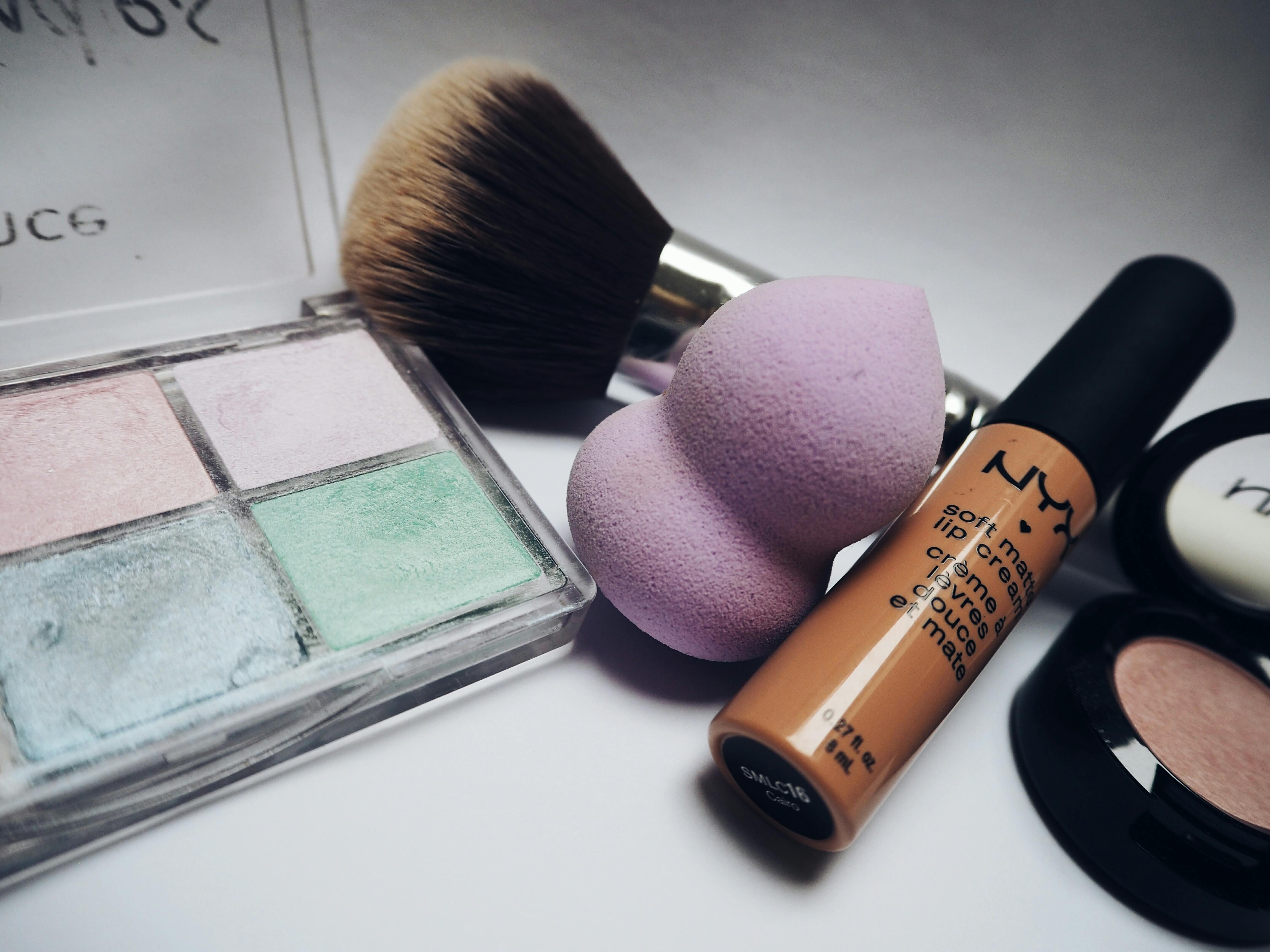
Here is a tip: you do not always have to buy a brand-new foundation. If you have a bottle of foundation that is the right depth but looks too orange or peach, you can adjust it. Enter the utility of green color-correcting pigments. Adding a tiny drop of a green mixer helps transform an orange foundation into a customized olive shade.
Using a product like the L.A. Girl PRO Color Foundation Mixing Pigment (Green) can be helpful. You only need a small drop to help neutralize the unwanted warmth in your current foundation. It helps you make use of bottles that do not quite fit.
To prevent your base from slipping or looking cakey when adding dimension, take a look at our quick guide on how to 4 Best Tools to Apply Cream Bronzer Without Lifting.
Pro Tip: Always mix your pigments on a clean palette or the back of your hand before applying them to your face. A little green goes a very long way!
Swatching Like a Professional
When you are searching for your perfect match, try not to rely on swatches on your wrist. Your wrist does not get the same sun exposure as your face, and the skin there may differ in tone. Instead, apply your foundation in three parallel stripes from your cheek down to your neck.
Let the swatches dry for at least 10 minutes. Many foundations oxidize, meaning they turn darker or orange once they react with the oxygen in the air and the natural oils on your skin. Once dry, walk to a window with natural light. The shade that completely disappears into both your face and your neck is your winner.
Once you find that perfect shade, you will want to lock it in place, so don't miss our roundup of the 4 Best Hydrating Loose Setting Powders for Dewy Makeup.
"The perfect foundation shade should not look like makeup—it should look like your skin on its absolute best day."
Quick Picks Comparison
| Pick | Best for | Why it wins |
|---|---|---|
| L.A. Girl PRO Color Foundation Mixing Pigment (Green) | Customizing warm foundations | It balances your base without changing the formula. |
| Kosas Revealer Skin Improving Foundation | Hydrating dewy coverage | It leaves a dewy finish that looks like real skin. |
| Exa High Fidelity Foundation | Difficult olive undertones | It offers buildable coverage while protecting the skin with antioxidants. |
| e.l.f. Camo Color Corrector (Green) | Neutralizing redness | It is packed with hyaluronic acid for a smooth application. |
What I'd Actually Buy
If you want to skip the mixing and buy a foundation that is formulated with olive skin in mind, you have some amazing options. I highly recommend looking at brands that prioritize diverse undertones.
For an everyday, skin-like finish, the Kosas Revealer Skin Improving Foundation has beautiful medium-olive options that do not look chalky. If you want a more lightweight, clean formula, the Exa High Fidelity Foundation offers incredible depth and true olive undertones that do not turn orange. For targeted correcting, the e.l.f. Camo Color Corrector (Green) is an affordable way to neutralize redness or customize your current stash.
Your Beauty Action Plan
Start today: Go to a window with a hand mirror in the middle of the day and check your jawline to see if your current foundation matches your neck.
Do this now:
- Swatch your current foundation on your jawline and wait 10 minutes to check for oxidation.
- Grab a green color corrector like the L.A. Girl PRO Color Foundation Mixing Pigment (Green) if your favorite base looks too orange.
- Bookmark the 2 olive-friendly foundations from this article to test next time you shop.
Bottom line: Stop settling for gray or orange makeup when you can easily customize your base to match your natural olive glow!
Key Takeaways
- Warm olive skin has a distinct greenish-gold balance that standard warm/cool foundations do not match.
- Foundations turn gray because the red/pink pigments neutralize your natural green skin tones.
- A green color corrector is the easiest, cheapest way to fix an orange-toned foundation.
Frequently Asked Questions
How can I tell if I am warm olive or cool olive?
Warm olives have a golden, yellow-green glow to their skin and tend to look best in warm earth tones like olive green, terracotta, and warm gold. Cool olives have a blue-green, slate-like undertone and often look striking in jewel tones like sapphire and emerald.
Why does my foundation look gray on my face?
Your foundation looks gray because it lacks the necessary green pigment to match your olive undertones. The pink or cool tones in the foundation are neutralizing your skin's green tones, creating a muddy, dull cast.
Can I use a green primer to fix my foundation shade?
Yes, a green primer can help neutralize mild redness, but to truly change the undertone of a foundation, you should mix a green pigment directly into the liquid foundation before applying it.
What colors should warm olive skin tones avoid?
Warm olives should generally avoid extremely pastel pinks, icy blues, and cool silvers, as these shades can clash with the warm golden-green tones in the skin and make you look washed out.
Does olive skin change undertone when tan?
Your surface tone (how light or dark you are) will change with sun exposure, but your underlying olive undertone remains the same. You may look more golden-warm when tan, but you will still need that green-gold balance in your foundation.
If you want to explore more ways to get a gorgeous, seamless glow, check out our guide on how to find the perfect Rare Beauty Blush: 5 Best Shades Ranked in 2026!
*As an Amazon Associate I earn from qualifying purchases. This post may contain affiliate links at no extra cost to you.*