4 Best Natural Makeup vs Synthetic Products for Glowing Skin
Why the Natural Makeup vs Synthetic Debate Matters
Okay, can we have a real heart-to-heart? I used to grab whatever was on the drugstore shelf without looking at the back of the bottle. But lately, I’ve been obsessed with understanding exactly what I’m putting on my skin. The natural makeup vs synthetic product test has been on my mind because, honestly, we all want that glow without the worry, right? It’s not just about trends; it’s about how your skin feels at 11 p.m. after a long day.
Here’s what we are covering today:
- The big differences between natural and synthetic ingredients
- How to spot greenwashing in your beauty stash
- My top picks for a balanced, high-performance kit
If you want to make sure you aren't falling for marketing traps, check out our Greenwashing Beauty Spotter guide. It changed the way I shop for foundation and blush entirely!
Understanding the Basics: Natural vs Synthetic
When we talk about natural makeup, we usually mean products made with plant-based ingredients, minerals, and extracts. Synthetic makeup, on the other hand, relies on lab-created formulas. Those synthetic ingredients are often there for a reason, like making your mascara stay put through a sweaty gym session or ensuring your foundation doesn't oxidize orange by lunch. It’s all about balance.
I’ve learned the hard way that 'natural' doesn't automatically mean 'better for your skin' if you have specific allergies. Sometimes, a synthetic preservative is actually safer than a natural essential oil that might cause a major breakout. It’s all about knowing your skin type and what makes you feel confident.
Real Talk: I once switched entirely to a 'clean' brand, and my skin freaked out because of a hidden botanical allergen. Don't be afraid of science-backed synthetic ingredients if they work for you!
The Performance Test: Does Natural Makeup Last?

This is the million-dollar question. In my experience, natural makeup has come a long way, but it still struggles with extreme longevity. If you need your makeup to survive a wedding or a 12-hour workday, you might find that synthetic formulas offer a bit more reliability. However, for everyday wear, natural products feel so much lighter and more breathable.
If you are looking for long-wearing options that are still gentle, I highly recommend checking out our Ultimate Vegan Foundation Ranking 2026 to see which formulas actually stand the test of time. You don't have to sacrifice performance for peace of mind anymore.
How to Read Your Beauty Labels
Learning to read ingredient lists is like learning a new language. You don't need a PhD in chemistry, but knowing a few red flags helps. Look for things like parabens, phthalates, and synthetic fragrances if you want to avoid them. On the flip side, don't fear long names—sometimes those are just the scientific names for perfectly safe ingredients like tocopherol (which is just Vitamin E!).
- Natural: Often uses fruit pigments or mineral oxides.
- Synthetic: Uses polymers and lab-created dyes for intense color payoff.
- Hybrid: The sweet spot where science meets nature for the best of both worlds.
My 60-Second Routine for a Balanced Face
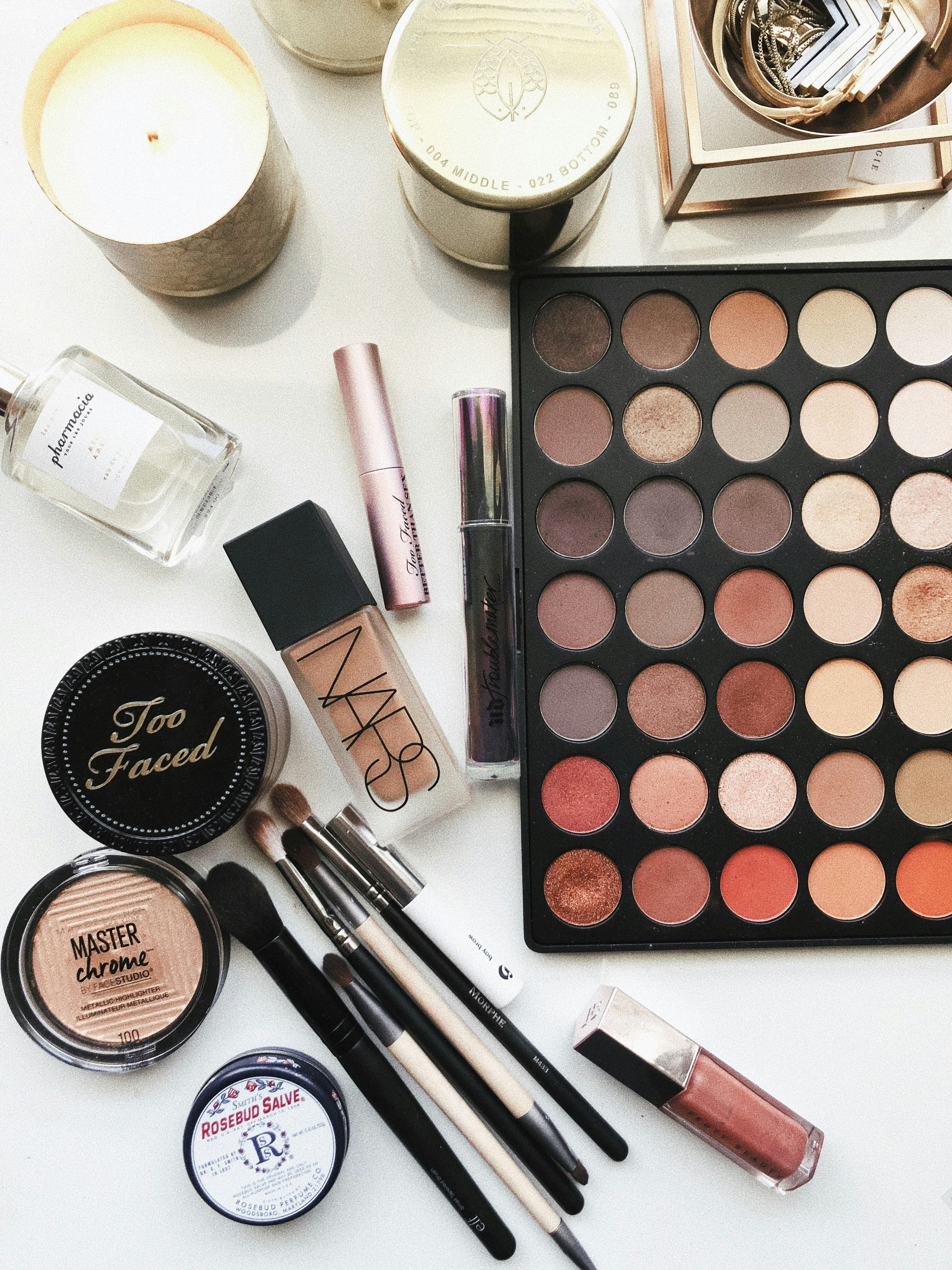
I’ve found that my skin loves a mix-and-match approach. I use a natural, hydrating base like the ILIA Super Serum Skin Tint because it feels like skincare, then I layer on a high-performance synthetic mascara like Maybelline Lash Sensational to ensure I don't look like a raccoon by noon. It’s the perfect compromise.
Pro Tip: Always apply your natural serum-based products on damp skin to lock in that extra moisture. It makes a massive difference in how your makeup sits throughout the day!
Quick Picks Comparison
| Pick | Best for | Why it wins |
|---|---|---|
| ILIA Super Serum Skin Tint | Everyday natural glow | It combines skincare benefits with light coverage. |
| Maybelline Lash Sensational Washable Mascara | Volumizing lash definition | It provides incredible volume and length that lasts. |
| The Ordinary Niacinamide 10% + Zinc 1% | Improving skin texture | It helps regulate sebum production for clearer skin. |
| CeraVe Hydrating Facial Cleanser | Gentle skin cleansing | It removes impurities without stripping natural moisture. |
Frequently Asked Questions
Is natural makeup always better for sensitive skin?
Not necessarily. While many natural products are free from harsh chemicals, they often contain botanical extracts or essential oils that can be highly irritating to sensitive skin types.
Does synthetic makeup cause acne?
Not all synthetic makeup is comedogenic. Many modern synthetic formulas are designed to be non-comedogenic, meaning they are formulated to help prevent clogged pores or breakouts.
How can I tell if a product is truly natural?
Look for third-party certifications like Leaping Bunny or ECOCERT on the packaging. These labels indicate that the brand has met strict standards for ingredient sourcing and ethical production.
Can I mix natural and synthetic products in one routine?
Absolutely! Most of us already do this without realizing it. The key is to make sure your moisturizer and primer play well together so your makeup doesn't pill or separate.
Why does natural makeup expire faster?
Since natural products often contain fewer synthetic preservatives, they have a shorter shelf life. Always check the little 'open jar' symbol on the back of your products to see how many months they are good for after opening.
Your Beauty Action Plan
Start today: Audit your current makeup bag and toss anything that has expired or makes your skin feel irritated.
Do this now:
- Pick one product from your stash to replace with a cleaner, more skin-friendly alternative.
- Dedicate one week to tracking how your skin feels with your new routine to identify any sensitivities.
- Join thousands of other beauty lovers by checking out our 4 Best Cruelty-Free Makeup Brands Haul Must-Haves to find your next staple.
Bottom line: Your routine should make you feel beautiful and comfortable, so don't be afraid to experiment until you find your perfect blend.
Final Spritz
At the end of the day, there is no 'right' answer in the natural makeup vs synthetic debate. It’s all about finding what makes you feel like the best version of yourself. Whether you love the science of synthetics or the simplicity of naturals, the most important thing is that you enjoy the process of getting ready. If you grab anything through my pink-link obsession, I may earn a teeny commission—at zero extra cost to your wallet, promise! Don't forget to share your favorite product finds with your besties, and I'll catch you in the next post!
What I'd Actually Buy: My Honest Product Test Verdicts
Alright, babes, let’s get into the nitty-gritty of my half-face wear test. I spent a full week wearing clean, natural formulas on the left side of my face and synthetic classics on the right. Here is exactly what is worth your coin and what I’d actually buy again!
For the ultimate everyday glow, the ILIA Super Serum Skin Tint SPF 40 completely blew me away on the natural side. It’s packed with squalane and niacinamide, so it literally feels like high-end skincare. It gave my left cheek this gorgeous, juicy, "I drink three liters of water a day" look. Yes, it got a tiny bit shiny around 3 PM, but a quick blot fixed it.
On the synthetic side, I recommend the classic Maybelline Fit Me Matte + Poreless Liquid Foundation. If you have oily skin or a long event, this is a top choice for longevity. The pore-blurring effect is impressive compared to many natural formulas, and it stays in place throughout the day. It feels a bit heavier than the ILIA tint, but for photos? Absolutely flawless.
For lashes, the synthetic side won by a landslide. I used the L'Oreal Paris Telescopic Instant Lift Mascara, and my lashes literally touched my brows. When I tried a natural wax-based mascara on the left eye, it looked pretty at first, but by lunchtime, I had slight raccoon eyes. Natural formulas just haven't perfected that smudge-proof polymer magic yet!
Finally, for lips, I’m forever team natural. The Burt's Bees 100% Natural Tinted Lip Balm in Red Dahlia is my ultimate holy grail. It gives that perfect, just-bitten berry stain while keeping my lips incredibly soft. I'd choose it over a heavy synthetic liquid lipstick any day of the week.
Natural vs. Synthetic FAQ: Your Burning Questions Answered
Will natural makeup actually expire faster, and how can I tell if it's gone bad?
Yes, babe, absolutely. Because natural makeup skips synthetic preservatives like parabens, it has a much shorter shelf life—usually 6 to 12 months. If your cream blush starts smelling like old crayons, or if your liquid foundation separates into a watery mess that won't blend, it's time to toss it.
Can I mix a synthetic primer with a natural foundation, or will they pill?
This is where so many girls go wrong! If you put a silicone-heavy synthetic primer (like Maybelline Baby Skin) under a water- or oil-based natural foundation (like the ILIA skin tint), they will repel each other. You'll end up with tiny balls of makeup rolling off your face. Keep water-with-water and silicone-with-silicone for a seamless blend!
*As an Amazon Associate I earn from qualifying purchases. This post may contain affiliate links at no extra cost to you.*
What I'd Actually Buy
If I'm being honest, these are the ones I'd reach for: ILIA Super Serum Skin Tint, Maybelline Lash Sensational Washable Mascara, The Ordinary Niacinamide 10% + Zinc 1%, CeraVe Hydrating Facial Cleanser. They're the picks that match this routine without the fluff.