4 Best Silicone Free Blurring Primers for Smooth Skin
Finding a makeup primer when you're dealing with skin texture can be a real challenge. If you're struggling with active breakouts, deep-set acne scars, or visible pores, finding the best silicone free blurring primers is a priority. Many traditional blurring primers are packed with heavy silicones like dimethicone; while they can smooth the appearance of skin, it's often too heavy for some, and I prefer to avoid them to help keep my pores clear.
Don't panic! You don't have to choose between a textured, uneven foundation finish and a breakout-prone face. The beauty industry has introduced high-performing water-based and polymer-based formulas that blur, smooth, and grip without silicone. In this guide, we're looking at the ultimate silicone free blurring options that work for textured, acne-prone skin.
Here is what we will cover today:
- Why silicone-free formulas are a massive win for acne-prone skin types
- The exact ingredients that blur pores without clogging them
- My honest, real-life wear test of the top 4 primers
- How to prep your skin to completely prevent makeup pilling
Why Silicones are a Double-Edged Sword for Acne-Prone Skin
We've all been there. You swipe on a classic silicone-heavy primer, and your skin looks like a filtered, airbrushed dream. It feels silky, and your foundation glides on smoothly. However, silicones create an occlusive barrier that can trap sweat, sebum, dead skin cells, and bacteria underneath. For anyone with acne-prone skin, that's a recipe for congestion you'll want to avoid.
Furthermore, silicones sit on top of the skin rather than hydrating or healing it. If you're dealing with active, dry acne flakes, silicones can cling to those patches, making your makeup look dry. Switching to the best silicone free primers allows your skin to breathe, it's helpful to reduce the risk of congestion, and it plays beautifully with water-based acne treatments.
Real Talk: I've used to think I was sensitive to every foundation on earth. It turns out, the heavy silicone primers I was layering underneath were the issue! Once I switched to a silicone-free base, that's when my skin finally felt much more comfortable.
How Silicone Free Blurring Primers Work Without Clogging
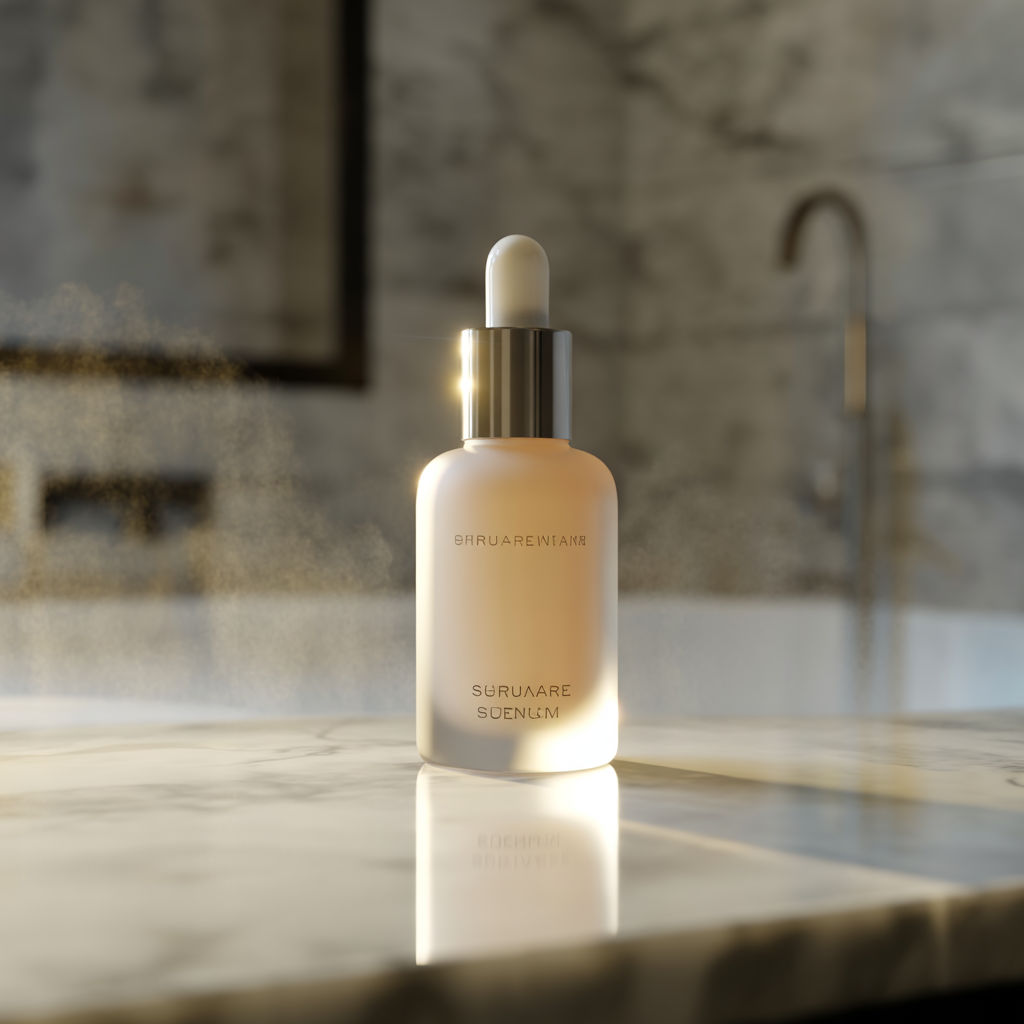
So, how do these formulas blur your skin without silicone? Instead of filling in your pores with heavy ingredients, modern skincare brands use light-reflecting minerals, plant-based starches, and water-soluble polymers. These ingredients sit weightlessly on the skin surface, diffusing light to create a soft-focus effect.
Many of these formulas also pack active skincare benefits. They use ingredients like niacinamide to help regulate oil production, hyaluronic acid to plump up the appearance of dry acne scars, and gentle botanical extracts to soothe active redness. You are essentially getting a double-whammy: a smoother makeup canvas and ingredients that support your skin.
If you are currently working on repairing a compromised skin barrier from harsh acne treatments, you should check out our guide on 4 Best Barrier Repair Creams Damaged Skin Needs to Recover to help rebuild your skin health before applying makeup.
My Honest Review of the 4 Best Silicone Free Blurring Primers
Let us dive into the actual products that survived my rigorous, real-world wear tests. I put these through the ringer: 10-hour workdays, sweaty gym sessions, and close-up mirror inspections.
1. e.l.f. Power Grip Primer
If you want your makeup to stay locked in place while smoothing out minor texture, the e.l.f. Power Grip Primer is a great option. This gel-based formula is completely silicone-free and uses a sticky grip texture to hold onto foundation. It is formulated with hyaluronic acid to keep your skin plump and hydrated, which helps prevent your foundation from settling into dry acne patches.
- Texture: Thick, jelly-like gel
- Scent: Fragrance-free
- Best Skin Type: Oily, combination, and dehydrated textured skin
- Pro Tip: Pat this onto your skin, do not rub! Let it sit for 30 seconds to get fully tacky before applying your makeup.
Science Snippet: Hyaluronic acid is a powerful humectant that can hold up to 1000 times its weight in water. By plumping the skin cells with hydration, it naturally minimizes the depth of shallow acne scars and textured pores.
2. Milk Makeup Hydro Grip Primer
For a high-end option that delivers a gorgeous, healthy glow while keeping excess shine in check, the Milk Makeup Hydro Grip Primer is a cult favorite for a reason. It uses hemp-derived cannabis seed extract and blue agave extract to create a breathable, gripping layer over your skin. It is incredibly hydrating, making it perfect for anyone dealing with flaky skin from acne topicals.
- Texture: Lightweight, cooling green gel
- Scent: Clean, very subtle herbal scent
- Best Skin Type: Normal, dry, and combination acne-prone skin
- Pro Tip: This primer works best when paired with water-based foundations. Check your foundation ingredients first!
3. NYX Professional Makeup Plump Right Back Primer
If your skin looks tired, dull, and deflated from acne breakouts, the NYX Professional Makeup Plump Right Back Primer is like a tall glass of water for your face. It is packed with five beneficial electrolytes and vitamins—including hyaluronic acid, vitamin E, and panthenol—to plump up the skin and smooth out uneven texture without any heavy silicones.
- Texture: Silky, lightweight serum-gel
- Scent: Light, fresh scent
- Best Skin Type: Dull, dehydrated, and textured skin
- Pro Tip: This works beautifully as a standalone daily moisturizer on no-makeup days to give your skin a natural, plump look.
4. Rare Beauty Always An Optimist Pore Diffusing Primer
Selena Gomez truly delivered with this one. The Rare Beauty Always An Optimist Pore Diffusing Primer is a rare gem: a silicone-free formula that actually mimics the plush, velvety feel of a traditional silicone primer. It uses water-soluble powders to actively absorb excess sebum and diffuse the appearance of large pores and deep texture.
- Texture: Lightweight, hydrating gel-cream
- Scent: Fragrance-free
- Best Skin Type: Oily, highly textured, and sensitive acne-prone skin
- Pro Tip: Focus this product primarily on your T-zone, pressing it gently into areas with larger pores.
Quick Take: If you want maximum makeup longevity, go with e.l.f. or Milk Makeup. If your primary goal is diffusing the look of deep pores and active texture, Rare Beauty is your absolute best bet.
Product Comparison: At a Glance
The Ultimate Primer Application Guide for Textured Skin
How you apply your primer is just as important as the formula itself. If you rub your primer on like a moisturizer, you are actually micro-exfoliating your face, lifting up dry skin flakes, and making your texture look worse. Follow this step-by-step method for a flawless, blurred finish:
- Prep with hydration: Apply a lightweight, water-based moisturizer and let it fully sink in for 5 minutes.
- Dispense a pea-sized amount: You do not need a lot! Too much primer will cause your foundation to slip and slide.
- Press, do not rub: Warm the primer between your fingertips, then gently press and pat the product into your skin. Focus on your nose, cheeks, and any areas with textured scarring.
- Let it set: Wait a full 60 seconds before applying your foundation. This allows the gripping polymers to activate and create that smooth, protective barrier.
If you want to create an even smoother canvas before starting your makeup routine, you might want to look into removing dead skin cells and peach fuzz. For a step-by-step guide on how to do this safely at home, check out our favorite 4 Dermaplaning At-Home Kit Guide Picks — Ranked.
How to Prep Your Skin to Prevent Primer Pilling
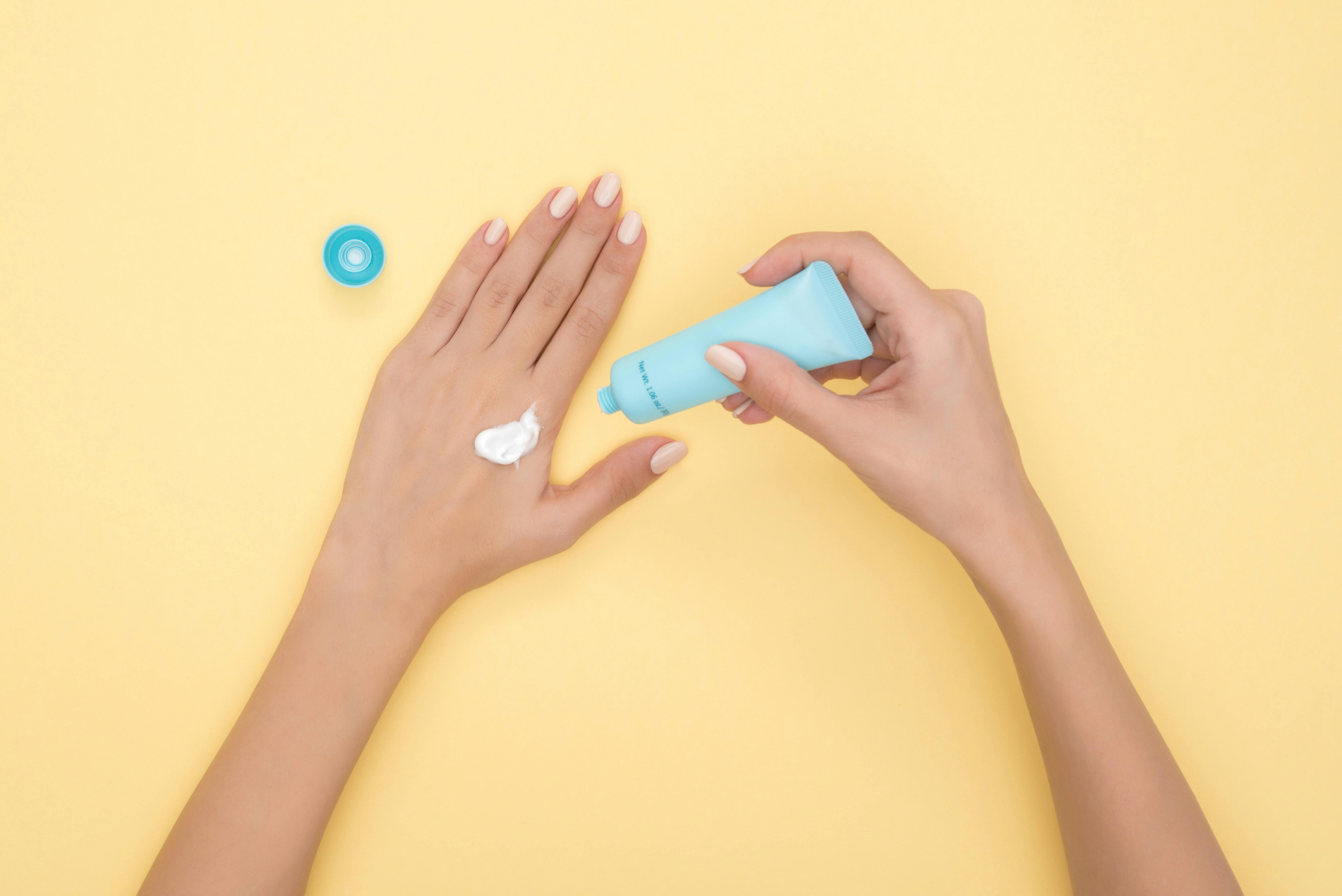
There is nothing more frustrating than applying your foundation only to watch it roll up into tiny, annoying balls on your face. This is called pilling, and it usually happens when you mix oil-based skincare with water-based primers, or when you do not give your products enough time to dry.
To prevent this, stick to the "like dissolves like" rule. If you are using a silicone-free, water-based primer, make sure your moisturizer and foundation are also water-based. Check the ingredient list: water (aqua) should be the very first ingredient. Avoid heavy facial oils in your morning routine, as they will prevent your silicone-free primer from gripping your skin properly.
Also, remember that setting your face correctly makes a world of difference. Once your primer and foundation are on, lock them in with a finely milled powder. If you need recommendations, take a look at our review of the 4 Best Hydrating Loose Setting Powders for Dewy Makeup to keep your textured skin looking smooth without drying it out.
Quick Picks Comparison
| Pick | Best for | Why it wins |
|---|---|---|
| e.l.f. Power Grip Primer | Oily and textured skin | It grips makeup for all-day wear while plumping the skin with hyaluronic acid. |
| Milk Makeup Hydro Grip Primer | Smoothing dry patches | It provides a breathable, hydrating layer that smooths out dry patches and keeps makeup looking fresh. |
| NYX Professional Makeup Plump Right Back Primer | Hydrated and energized skin | It features five beneficial vitamins and minerals to keep your complexion hydrated and energized under makeup. |
| Rare Beauty Always An Optimist Pore Diffusing Primer | Diffusing pores and oil | It controls excess oil and shine while giving a soft-focus, matte finish. |
Your Beauty Action Plan
Start today: Go check the ingredient lists of your current morning skincare products and make sure water is the primary ingredient before you layer your new silicone-free primer over them.
Do this now:
- Pick up a highly rated silicone-free option like the e.l.f. Power Grip Primer or Rare Beauty Always An Optimist Pore Diffusing Primer.
- Practice the "pressing" application technique tomorrow morning instead of rubbing the product into your skin.
- Give your primer a full 60 seconds to dry down completely before you apply your favorite foundation.
Bottom line: Switching to a silicone-free primer will save your acne-prone skin from painful clogged pores while still giving you that gorgeous, blurred finish you deserve!
Frequently Asked Questions
Can silicone-free primers actually blur large pores?
Yes! Instead of physically filling in pores with heavy silicone plastics, silicone-free primers use advanced light-diffusing minerals and water-soluble powders. These ingredients bounce light away from your skin's surface, creating a gorgeous soft-focus, blurred effect without clogging your pores.
How do I know if my foundation is compatible with a silicone-free primer?
To prevent pilling, look at the ingredient list of your foundation. If water (aqua) is listed as the first ingredient and there are no heavy silicones (like dimethicone or cyclopentasiloxane) near the top of the list, it is a water-based foundation and will pair beautifully with your silicone-free primer.
Will silicone-free primers make my oily skin look shinier?
Not necessarily. While some silicone-free primers are highly hydrating and dewy, many formulas (like the Rare Beauty Always An Optimist Pore Diffusing Primer) are specifically designed to absorb excess oil and leave a soft, velvety matte finish that controls shine all day.
Can I wear silicone-free blurring primers on no-makeup days?
Absolutely! Wearing a silicone-free primer on its own is an amazing way to tone down redness, blur out minor skin texture, and keep your skin hydrated and fresh without wearing a full face of makeup.
How long should I wait between applying moisturizer and primer?
You should wait at least 3 to 5 minutes to let your moisturizer fully absorb into your skin. If you apply your primer onto wet moisturizer, the two products will mix and slide around, which often leads to makeup pilling and uneven coverage.
If you are looking to treat stubborn acne breakouts while you sleep, be sure to read our head-to-head comparison on 4 Best Azelaic Acid vs Salicylic Acid Picks for Redness to find the absolute best active ingredient for your skin type!
*As an Amazon Associate I earn from qualifying purchases. This post may contain affiliate links at no extra cost to you.*