4 Best Azelaic Acid vs Salicylic Acid Picks for Redness
Can we talk about the experience of trying a new skincare product when your face turns red easily? I learned this the hard way. I once tried a hyped-up exfoliating acid, and my face felt sensitive and looked flushed. If you are dealing with redness, bumps, and sensitive skin, choosing between azelaic acid vs salicylic acid can feel like a high-stakes decision.
Rosacea-prone skin requires a delicate touch. You want to clear up acne-like bumps and smooth out your skin texture, but you don't want to disrupt your skin barrier. Both of these popular ingredients are formulated to help, but you'll find they work in different ways.
In this guide, we will break down the differences so you can make the right choice for your sensitive skin. Here is what we will cover:
- Why azelaic acid is a popular choice for redness
- How salicylic acid behaves on sensitive skin
- A side-by-side comparison table to help you choose
- A safe, irritation-free routine to get you started
What is Azelaic Acid and Why Does Rosacea Love It?
Azelaic acid is a naturally occurring dicarboxylic acid found in grains like barley, wheat, and rye. Don't let the word "acid" scare you off! Unlike harsh resurfacing acids, this ingredient is gentle and acts to soothe inflamed skin. It is one of the active ingredients often recommended for rosacea-prone skin.
So, how does it work? It's simple: it targets the causes of redness and inflammation. It behaves like an antioxidant, addressing free radicals that cause skin distress. At the same time, it helps normalize skin cell turnover, and that's what helps prevent pores from getting clogged.
Pro Tip: If you're struggling with post-inflammatory hyperpigmentation (dark marks left behind after a flare-up), it's really helpful. It targets overactive pigment-producing cells without affecting your normal skin tone.
For anyone dealing with the bumpy, acne-like pustules associated with rosacea, it's often effective. It works to calm the skin while clearing away the dead cells that lead to those bumps. Plus, it has antibacterial properties, making it a potential alternative if you don't want harsher acne treatments.
If you're looking to build a completely safe routine around soothing ingredients, you'll also want to check out our post on the Stop the Burn! Zero-Irritation Skincare Routine Product List to help keep your moisture barrier perfectly intact!
What Is Salicylic Acid and Is It Too Harsh for Rosacea?
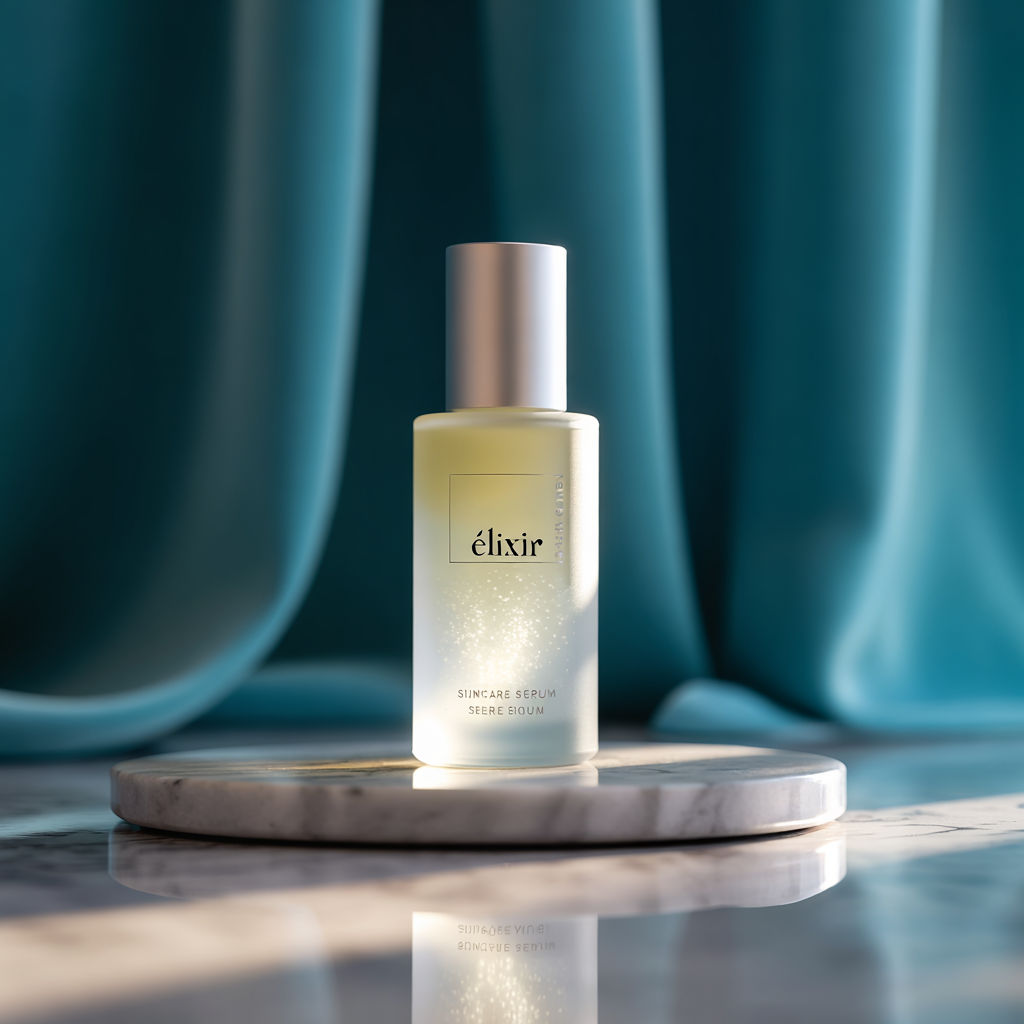
Now, let's look at the other contender: salicylic acid. This is a beta hydroxy acid (BHA), which means it is oil-soluble. Because it can dissolve in oil, it can penetrate deep inside your pores to dissolve the sticky sebum and dead skin cells that cause blackheads and breakouts.
While this sounds amazing, it can be a double-edged sword for sensitive, rosacea-prone skin. BHAs are effective exfoliants, but they can sometimes be drying. If your skin barrier is already compromised, applying a strong BHA can lead to stinging and increased redness.
Real Talk: I used to think I could scrub my redness away with strong acne pads. I just made my skin barrier sensitive and flakier. If you use BHA, you have to be strategic about your strength and frequency.
However, salicylic acid is not completely off-limits. If you have oily skin alongside your redness, a low-concentration, alcohol-free BHA can help keep your pores clear. It also has anti-inflammatory properties because it is chemically related to aspirin. The key is moderation.
If you want to understand how chemical exfoliants compare to physical tools, you should read our article on Home Pore Vacuum vs Chemical Exfoliants: What Actually Works? for a complete breakdown of safe exfoliation methods.
The Ultimate Showdown: Azelaic Acid vs Salicylic Acid
When we compare azelaic acid vs salicylic acid, the main difference lies in their primary targets. One focuses on calming redness and evening out skin tone, while the other is a master at deep pore exfoliation.
Let's look at this simple comparison table to see how they stack up:
As you can see, for true rosacea-prone skin, the clear winner is almost always going to be azelaic acid. It addresses the vascular redness and hypersensitivity that makes your face flush. Salicylic acid is better suited for those who primarily suffer from oily, congested pores and only experience mild, occasional redness.
Quick Take: If redness is your main concern, go with azelaic acid. If clogged pores and blackheads are your biggest headache, a gentle salicylic acid used sparingly might be your best bet.
How to Safely Use These Acids Without Triggering a Flare-Up
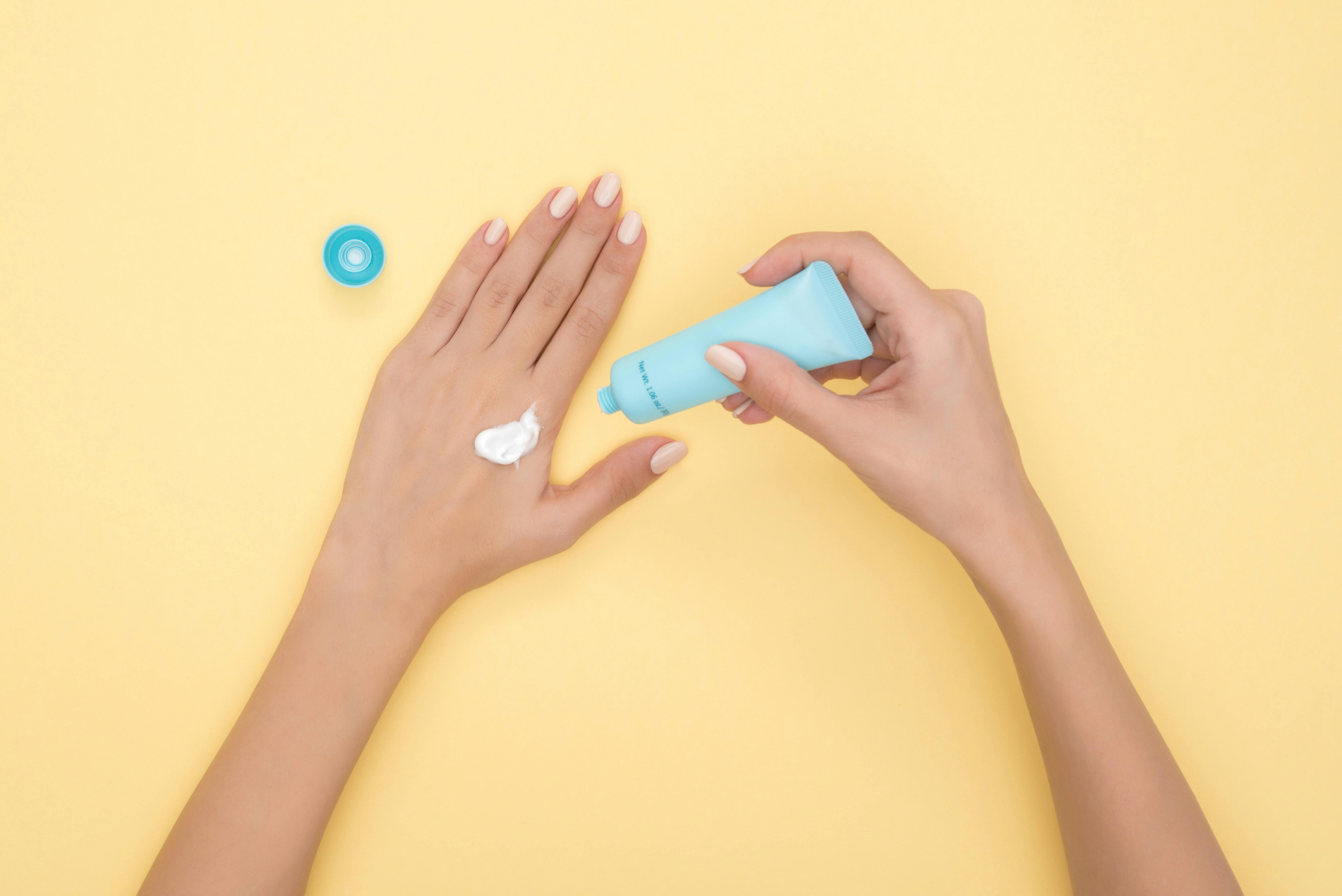
If you want to introduce either acid vs salicylic options into your routine, you must proceed with caution. A damaged skin barrier will make both ingredients feel like fire on your face. Here is a step-by-step guide to doing it safely.
- Always patch test first: Apply a tiny dot of the product behind your ear or on your inner wrist for 24 hours to check for a reaction.
- Start slow: Introduce your chosen active just 2 times a week at night. Do not rush into daily application.
- The buffer method: If your skin is incredibly sensitive, apply your moisturizer first, let it dry, and then apply your active ingredient on top. This slows down absorption and reduces the risk of irritation.
- Protect your barrier: Never skip your sunscreen! Both ingredients can make your skin more sensitive to the sun, and UV rays are a major trigger for redness.
Speaking of barrier protection, if you need a rich, healing cream to pair with your active ingredients, I highly recommend checking out our guide on 5 Ceramide Moisturizers That Saved My Dry Skin in 2026 to find the perfect soothing companion for your routine!
Quick Picks Comparison
| Pick | Best for | Why it wins |
|---|---|---|
| The Ordinary Azelaic Acid Suspension 10% | Uneven tone, redness | It gently brightens the complexion while keeping sensitive skin calm. |
| Paula's Choice 10% Azelaic Acid Booster | Redness, dark spots | This blend works to soothe redness, address dark spots, and clear minor congestion simultaneously. |
| Paula's Choice Skin Perfecting 2% BHA Liquid Exfoliant | Pore congestion | It features 2% salicylic acid to clear deep-seated pore congestion. |
| CeraVe Hydrating Facial Cleanser | Gentle daily cleansing | It washes away impurities without stripping vital moisture. |
What I'd Actually Buy: My Top Rosacea-Safe Picks
When shopping for these ingredients, simplicity is key. You want formulas that omit fragrance, drying alcohols, and essential oils. Here are the exact products I recommend for sensitive, redness-prone skin.
For a direct dose of redness-calming power, The Ordinary Azelaic Acid Suspension 10% is a classic. It features a lightweight, cream-gel texture that delivers a solid 10% concentration of the active ingredient. It helps visibly reduce redness and smooths out uneven texture without breaking the bank.
If you prefer a product that layers under makeup, the Paula's Choice 10% Azelaic Acid Booster is a great option. It combines the active ingredient with soothing salicylic acid (in a low, gentle dose) and licorice root extract to brighten and calm. It has a lightweight lotion texture that absorbs into the skin.
If you do decide to tackle clogged pores, you need the gentlest BHA on the market. The Paula's Choice Skin Perfecting 2% BHA Liquid Exfoliant is a cult favorite for a reason. It uses green tea extract to soothe the skin while the salicylic acid works to clear out congestion. Just remember to start by using it only once or twice a week!
Finally, you must support your skin barrier with a gentle cleanser. The CeraVe Hydrating Facial Cleanser is my absolute holy grail. It uses ceramides and hyaluronic acid to cleanse without stripping, ensuring your skin is prepped and protected before you apply any active treatments.
Your Beauty Action Plan
Start today: Cut out all physical scrubs, harsh face brushes, and heavily fragranced skincare products from your daily routine.
Do this now:
- Pick up a gentle, barrier-supporting product like The Ordinary Azelaic Acid Suspension 10%.
- Introduce it into your evening routine just 2 times a week after your moisturizer to buffer it.
- Keep a simple skincare journal on your phone to track your redness over the next 4 weeks.
Bottom line: Consistency beats intensity every single time when you are trying to calm sensitive skin.
Frequently Asked Questions
Can I use azelaic acid and salicylic acid together?
Yes, but you should proceed with extreme caution if you have sensitive skin. It is usually best to use them at different times of the day (like salicylic acid in the morning and azelaic acid at night) or alternate days to prevent stripping your moisture barrier.
How long does it take to see results with azelaic acid?
Most people begin to see a visible reduction in redness and skin sensitivity within 4 to 6 weeks of consistent daily use. However, hyperpigmentation and deep texture improvements can take up to 12 weeks to show significant change.
Does salicylic acid make rosacea worse?
It can if the formula is too strong or contains drying alcohols. Because rosacea skin has a compromised barrier, high concentrations of salicylic acid can cause dryness, burning, and increased redness. Always stick to a gentle 1% or 2% formula and use it sparingly.
Is azelaic acid safe to use every day?
Yes, once your skin is accustomed to the product, it is generally safe to use daily. Many professionals suggest applying it in the morning and night for the management of persistent redness and bumps.
What should I avoid mixing with azelaic acid?
Avoid mixing it with strong retinoids, benzoyl peroxide, or high-percentage vitamin C in the exact same application step. Layering too many active ingredients at once is a recipe for irritation, so space them out throughout your week.
Key Takeaways:
- Azelaic acid is the superior choice for calming redness, vascular flushing, and sensitive bumps.
- Salicylic acid is best reserved for oily, congested skin types and should be used with caution.
- Always support your active treatments with a simple, fragrance-free cleanser and a rich ceramide moisturizer.
If you grab anything through my pink-link obsession, I may earn a teeny commission—at zero extra cost to your wallet, promise!
If you want to explore more ingredient comparisons to clear up your complexion, check out our guide on Benzoyl Peroxide vs Adapalene: Which Clears Acne Best? next!
*As an Amazon Associate I earn from qualifying purchases. This post may contain affiliate links at no extra cost to you.*