5 Best zero-irritation skincare routine list for Redness
Okay, let's be honest for a second. We've all had that moment where we try a new, hyped-up serum, and instead of getting that gorgeous glass skin glow, we wake up looking like a freshly boiled lobster. I learned this the hard way after overusing three different exfoliating acids in one night. My skin barrier was completely wrecked, and even plain water stung! That's when I realized I needed a hard, immediate reset. Today, I'm sharing my holy grail zero-irritation skincare routine product list to save your skin from the brink of disaster.
When your skin is red, flaky, and angry, the worst thing you can do is throw more active ingredients at it. You need to strip your routine back to the absolute basics. This guide will show you exactly how to heal your skin barrier without causing a single flare-up.
Here is a quick look at what we'll cover today:
- Why your current routine might be causing microscopic damage
- The essential, soothing ingredients you need to look for
- A step-by-step, highly effective daily routine
- How to spot stealthy irritants hiding in your clean beauty products
Why Your Skin Barrier is Screaming for Help
Your skin barrier is your body's first line of defense. It's made of lipids, ceramides, and fatty acids that keep moisture in and irritants out. When this barrier is healthy, your skin looks plump, smooth, and radiant. But when you overuse harsh scrubs, strong retinoids, or foaming cleansers, you strip away those protective lipids. This leaves microscopic tears in your skin, allowing moisture to evaporate and bacteria to enter.
When this happens, even the most basic products can cause a burning sensation. Your skin becomes reactive, dry, and prone to sudden breakouts. This is your skin's way of begging for a break. To fix this, you must temporarily stop using all active ingredients like glycolic acid, salicylic acid, and retinol. Instead, focus entirely on hydration, barrier repair, and soothing botanicals.
If you're interested in how your genetics might influence your skin's sensitivity levels, you should also check out our post on Is Your DNA the Secret to Perfect Skin? for some incredible, personalized insights!
Real Talk: Your skin doesn't need a 10-step routine to be healthy. In fact, when your barrier is compromised, less is always more. Stick to a simple, targeted 3-step routine until your skin stops stinging.
The Golden Rules of a Zero-Irritation Skincare Routine
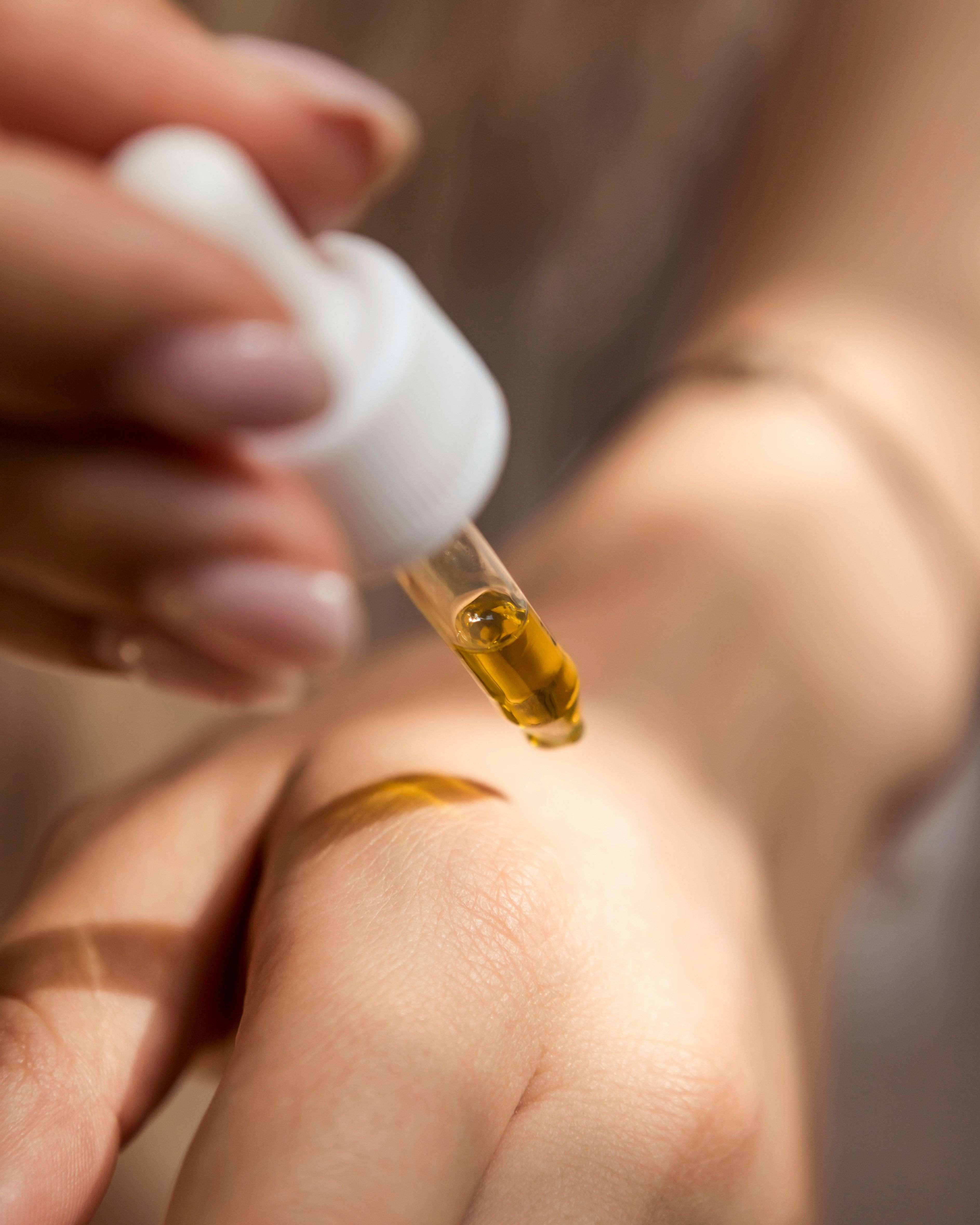
Before we look at the actual skincare routine product list, we need to establish some ground rules. First, you must avoid synthetic fragrances and essential oils. While lavender and citrus oils smell amazing, they are highly sensitizing to compromised skin. Second, always look for products that are formulated at a skin-friendly pH, ideally between 4.5 and 5.5.
Another rule is to avoid physical friction. Stop using washcloths, spinning brushes, or facial scrubs. Your fingers are the gentlest tools you have. When washing your face, use lukewarm water—never hot or ice-cold, as extreme temperatures can trigger redness and expand capillaries.
By the way, if you are trying to figure out if your clean beauty products are actually safe or just clever marketing, you'll love our article on the Greenwashing Beauty Spotter to help you shop smarter and avoid hidden irritants.
Quick Take: A zero-irritation routine focuses on three pillars: gentle cleansing, deep hydration, and physical protection. If a product doesn't serve one of these three purposes, cut it out of your routine immediately.
The Zero-Irritation Skincare Routine Product List
Now, let's get into the actual products that can help care for your skin. These formulas are generally well-tolerated when your barrier feels compromised. They are formulated with soothing ingredients like ceramides, squalane, and hyaluronic acid to help support skin hydration.
Step 1: The Gentle Cleanse
To start, you need a cleanser that removes dirt and oil without stripping your natural lipids. I highly recommend The Ordinary Squalane Cleanser for your first step. It starts as a balm and melts into a gentle oil, dissolving makeup and sunscreen effortlessly. Follow this with the La Roche-Posay Toleriane Hydrating Gentle Face Cleanser. This cream cleanser is formulated with ceramide-3, niacinamide, and glycerin to hydrate your skin while it cleanses.
Step 2: The Soothing Treat
Once your skin is clean and slightly damp, apply COSRX Advanced Snail 96 Mucin Power Essence. This product is a great option for irritated skin. It contains snail secretion filtrate, which is soothing, hydrating, and helps support skin recovery. It feels a bit slimy at first, but it absorbs quickly and helps calm redness.
Step 3: The Barrier Shield
Next, you need a heavy-duty moisturizer to lock in all that hydration. The CeraVe Moisturizing Cream is a classic for a reason. It features three essential ceramides and hyaluronic acid to restore the skin barrier. It's thick, non-greasy, and completely fragrance-free.
Step 4: Daily Protection
During the day, you must protect your healing skin from UV damage. The EltaMD UV Clear Facial Sunscreen SPF 46 is the ultimate choice for sensitive skin. It uses zinc oxide to reflect UV rays and contains niacinamide to calm inflammation and reduce redness.
Pro Tip: Apply your moisturizer while your skin is still slightly damp from your essence. This helps trap the water molecules in your skin, boosting hydration by up to 50%.
Decoding the Ingredients: What to Love and What to Avoid
When shopping for a zero-irritation skincare routine, reading the ingredient list is your superpower. You want to look for ingredients that mimic your skin's natural structure. Look for ceramides, squalane, centella asiatica (also known as cica), and allantoin. These ingredients act like mortar between your skin-cell bricks, sealing up any gaps.
On the other hand, you want to avoid drying alcohols (like alcohol denat), synthetic dyes, and high concentrations of active acids. Even natural ingredients like witch hazel or tea tree oil can be incredibly irritating to a damaged skin barrier.
Speaking of targeted care, if you are struggling with stubborn breakouts caused by your protective face masks, check out our guide on Maskne Treatment: 5 Gentle Fixes for Clearer Skin for a super-targeted, non-irritating routine.
How to Transition Back to Actives Safely
Once your skin stops stinging, peeling, and feeling tight, you might feel tempted to jump right back into your strong retinols and vitamin C serums. Please, don't do it! Your newly healed skin is still delicate. You need to transition back very slowly to avoid resetting all your hard work.
Start by introducing one active product at a time. For example, use your retinol just once a week for the first two weeks. If your skin tolerates it, increase usage to twice a week. Always buffer your actives by applying a thin layer of moisturizer first, then your active product, followed by another layer of moisturizer. This "sandwich method" reduces irritation significantly without making the product inactive.
"Your skin is an organ, not a silk shirt. You cannot scrub away your imperfections without damaging the fabric itself."
Quick Picks Comparison
| Pick | Best for | Why it wins |
|---|---|---|
| The Ordinary Squalane Cleanser | Gentle makeup removal | It dissolves makeup and impurities while protecting the moisture barrier. |
| La Roche-Posay Toleriane Hydrating Gentle Face Cleanser | Sensitive skin types | It cleanses gently while maintaining the skin's natural protective barrier and pH. |
| COSRX Advanced Snail 96 Mucin Power Essence | Soothing damaged skin | It contains snail secretion filtrate to soothe redness and repair damaged skin barriers. |
| CeraVe Moisturizing Cream | Restoring skin barrier | It features essential ceramides and hyaluronic acid to lock in moisture and restore the protective barrier. |
| EltaMD UV Clear Facial Sunscreen SPF 46 | Acne-prone skin | It is an oil-free, zinc-oxide-based formula that promotes healthy-looking skin while protecting against rays. |
Your Beauty Action Plan

Start today: Clean out your skincare cabinet and put all physical scrubs, chemical exfoliants, and fragranced products in a drawer out of sight for the next 14 days.
Do this now:
- Wash your face tonight using only lukewarm water and a gentle cream cleanser like La Roche-Posay Toleriane Hydrating Gentle Face Cleanser.
- Apply COSRX Advanced Snail 96 Mucin Power Essence to damp skin to lock in maximum hydration.
- Join 50K+ readers who have successfully restored their skin barriers by sticking to this simple routine for two full weeks.
Bottom line: Healing your skin barrier takes patience, but with the right soothing products, you can reduce redness and irritation in as little as 48 hours.
Key Takeaways
- Strip your routine back to a simple cleanser, soothing essence, moisturizer, and sunscreen.
- Avoid physical scrubs, fragrance, and active acids until your skin stops stinging.
- Look for barrier-repairing ingredients like ceramides, squalane, and hyaluronic acid.
Frequently Asked Questions
How long does it take to heal a damaged skin barrier?
In most cases, it takes about 2 to 4 weeks of consistent, gentle care to noticeably repair your skin barrier. However, if your barrier was severely damaged, it could take up to 6 weeks. Consistency is key during this healing phase.
Can I use hyaluronic acid on irritated skin?
Yes, hyaluronic acid is excellent for irritated skin because it is a natural humectant that draws moisture into the skin. Just make sure to apply it to damp skin and lock it in with an occlusive moisturizer to prevent transepidermal water loss.
Should I stop wearing makeup while healing my skin?
If possible, yes. Many makeup products contain silicones, heavy pigments, and fragrances that can clog pores and irritate a compromised barrier. If you absolutely must wear makeup, choose a mineral-based formula or check out our guide on The Ultimate Vegan Foundation Ranking 2026 for gentle, skin-friendly options.
Is niacinamide safe for highly sensitive skin?
Yes, in low concentrations (around 2% to 5%), niacinamide is highly beneficial because it stimulates ceramide production and reduces redness. However, avoid high-concentration serums (like 10% or higher), as these can sometimes cause irritation on a compromised barrier.
How do I know if a product is actually fragrance-free?
Always check the ingredient list for the terms "fragrance," "parfum," or specific essential oils like linalool, limonene, and lavender oil. Products labeled "unscented" may still contain masking fragrances to cover up chemical odors, so look for the specific label "fragrance-free."
Final Spritz
I hope this guide helps you soothe your angry skin and find peace in a simpler routine! If you found these tips helpful, share this post with a friend who might be overdoing it with their exfoliating acids.
*As an Amazon Associate I earn from qualifying purchases. This post may contain affiliate links at no extra cost to you.*
New on the blog: Bakuchiol Serum vs Retinol Product — 1 Clear Wi....