4 Best Personalized Skincare Systems for Your Routine
Your DNA and Your Skincare Routine
Okay, can we talk about something wild? Imagine if you could skip the guessing game and just know exactly what your skin needs based on your actual, biological code. That is the promise of personalized skincare, and honestly, it feels like we are living in the future. I’ve been diving deep into the world of genetic skincare testing lately, and I’m here to spill all the tea on whether this is actually the breakthrough we’ve been waiting for in 2026.
Think about it—how many half-empty bottles of serums are sitting in your bathroom right now? We’ve all been there, buying the latest viral trend only to find out it breaks us out or does absolutely nothing. Personalized skincare aims to end that frustration by looking at your unique genetic makeup to determine your predisposition for things like collagen breakdown, sun sensitivity, and even your skin's hydration levels.
Here is what we are covering today:
- How genetic skincare testing actually works behind the scenes.
- Whether science-backed skincare is worth the investment for your routine.
- My honest take on the trending kits you’ve probably seen all over your feed.
Understanding the Science of Genetic Skincare Testing
So, how does a simple cheek swab translate into a custom glow? It sounds like science, but it’s rooted in skin biology and genetics. When you use a skincare DNA kit, the lab analyzes specific variations in your genes—often called SNPs—that may correlate with skin health markers. They aren't looking at your whole genome; they focus on specific traits like antioxidant production and glycation, which is the process where sugar can affect your collagen.
If you're interested in deeper science, you should definitely check out our Greenwashing Beauty Spotter guide. It’s important to know which brands are informed by science and which are using marketing terms. Knowing the difference between data and fluff is a step toward a better routine.
Real Talk: I was super skeptical at first. I mean, can a piece of plastic really tell me more than my own mirror? But once I saw the results, I realized that understanding my genetic predispositions helped me choose ingredients that actually work for** *my* specific skin type, rather than just copying what everyone else is doing on TikTok.
The Shift to Personalized Skincare
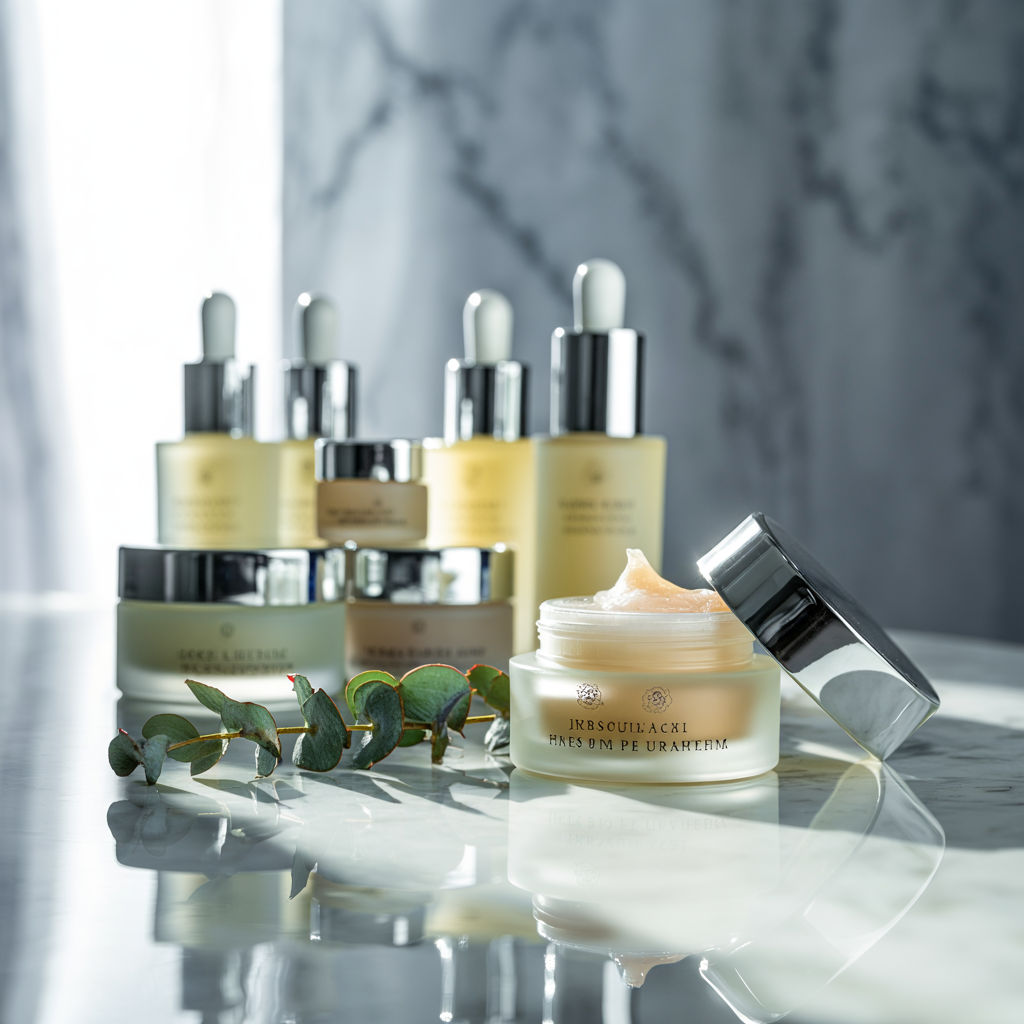
We are moving away from the "one size fits all" approach. We have often been told that everyone needs a standard 3-step routine, but that may not be true for everyone. Your skin is unique, and your routine can reflect that. By identifying your genetic traits, you can target specific concerns.
For example, if your report shows you have a lower capacity for vitamin C absorption, you’ll know to prioritize specific, highly bioavailable forms of that antioxidant. Or, if you’re genetically prone to hyperpigmentation, you can start using niacinamide and sunscreen consistently. It’s a proactive approach to beauty, and I am here for it.
Speaking of building a solid routine, if you’re curious about how to level up your hair care alongside your skin, our K18 vs Olaplex: Which Bond Repair Wins? (2026) comparison is a must-read. It’s all about using science-backed treatments to keep your hair as healthy as your skin.
Are These Kits Worth the Hype?
If you grab anything through my pink-link obsession, I may earn a teeny commission—at zero extra cost to your wallet, promise! That said, I only recommend things I’ve personally vetted. When it comes to these tests, the value isn't just in the report—it's in the actionable advice that follows. You aren't just paying for a DNA result; you’re paying for a roadmap that saves you from buying products that don't match your biological needs.
However, remember that genetics aren't everything. Your lifestyle, diet, and stress levels play a massive role too. Think of your DNA as the foundation of your house, but your daily habits are how you decorate the rooms. You still need to drink your water, sleep well, and protect your skin from UV damage.
For those who love to keep their makeup as clean as their skincare, take a look at The Ultimate Vegan Foundation Ranking 2026. It’s the perfect companion to a highly personalized skincare routine.
Mia’s 60-Second Routine Setup

I’ve streamlined my life using these insights. I start every morning by applying The Ordinary Niacinamide 10% because my skin tests showed I needed help with barrier function. Then, I follow up with a high-quality moisturizer like CeraVe Moisturizing Cream. It’s simple, effective, and tailored to what I know my skin can handle.
Pro Tip: Don't try to change your entire routine overnight. Introduce one new science-backed product at a time so you can actually track how your skin reacts over a 2-week period.
Quick Picks Comparison
| Pick | Best for | Why it wins |
|---|---|---|
| CeraVe Hydrating Cleanser | Sensitive skin types | It uses essential ceramides and hyaluronic acid to hydrate while cleaning. |
| The Ordinary Niacinamide 10% + Zinc 1% | Oil regulation | It minimizes the appearance of pores and balances skin texture effectively. |
| CeraVe Moisturizing Cream | Deep hydration | It contains a delivery technology that releases moisturizing ingredients over time. |
| La Roche-Posay Anthelios Melt-in Milk Sunscreen SPF 60 | All skin types | This high-protection sunscreen helps prevent premature aging and dark spots. |
Frequently Asked Questions
Can DNA testing really predict future skin issues?
It can identify genetic predispositions, but it isn't a crystal ball. It tells you what you might be prone to, allowing you to be proactive with preventative ingredients like retinol or antioxidants.
How accurate are these skincare DNA kits?
Most reputable kits use peer-reviewed studies to correlate your genetics with skin traits. While the science is helpful, it's meant to be used as a guide alongside your current skin condition.
Do I need to redo the test every year?
Nope! Your DNA doesn't change, so you only need to do the test once. Your skin concerns might shift with age or climate, but your genetic blueprint remains the same.
Is this testing expensive?
It can be an investment, but think about the money you save on "trial and error" skincare products. It’s a one-time cost for a lifetime of better, more informed decisions.
Does this replace seeing a skin professional?
Absolutely not. A professional can provide a physical examination and treatments that a DNA kit cannot. Always consult a pro for specific skin conditions like acne or eczema.
Key Takeaways
- Your genetics provide a blueprint, but your daily habits are the true drivers of skin health.
- Personalized data helps you stop wasting money on products that don't suit your biological needs.
- Always combine genetic insights with professional advice and healthy lifestyle choices.
Your Beauty Action Plan
Start today: Grab a simple, fragrance-free moisturizer that respects your skin barrier.
Do this now:
- Use a gentle cleanser like CeraVe Hydrating Cleanser to reset your skin.
- Incorporate a targeted serum like The Ordinary Niacinamide 10% for 4 weeks.
- Join 50K+ readers who are finally ditching the trial-and-error approach.
Bottom line: Knowing your skin’s genetic needs is the smartest way to invest in your glow—start now before the damage sets in!
Final Spritz
I hope this helped clear up the mystery behind DNA skincare! It’s such a cool time to be a beauty lover, right? Try these steps, listen to your skin, and don't forget to share your journey with your besties. You’ve got this!
*(Disclosure: If you grab anything through my pink-link obsession, I may earn a teeny commission—at zero extra cost to your wallet, promise!)*
*As an Amazon Associate I earn from qualifying purchases. This post may contain affiliate links at no extra cost to you.*
New on the blog: 5 Best Biotech Skincare DNA-Based Products for Youthful Skin.
New on the blog: The Ultimate Curly Girl Method Product Kit for 2026.
New on the blog: 4 Best Cruelty-Free Makeup Brands Haul Must-Haves.
New on the blog: 4 Best Niacinamide vs Vitamin C Serum Picks for Bright Skin.
New on the blog: Best Hormonal Acne Skincare Kit 2026 [5 Best Hormonal Acne Skincare Kit Solutions for Your Skin.
New on the blog: 4 Best Natural Makeup vs Synthetic Products for Glowing Skin.
New on the blog: Wrecked Barrier? 5 Ceramide Moisturizer Picks — 2026.
New on the blog: 4 Refillable Skincare Picks That Cut Waste in 2026.
New on the blog: This Target Clean Beauty Aisle Secret Changed My Skin.
New on the blog: 4 Best Foundation for Mature Dry Skin to Look Radiant.
New on the blog: 5 Best Slugging Skincare Products for Intense Hydration.
New on the blog: 5 Best Retinol Beginner Starter Set Options for New Users.
New on the blog: Bakuchiol Serum vs Retinol Product: 1 Clear Winner in 2026.
New on the blog: 4 Best Benzoyl Peroxide vs Adapalene Picks for Clear Skin.
New on the blog: 4 Best Azelaic Acid vs Salicylic Acid Picks for Redness.
New on the blog: 4 Best Cool Toned Eyeshadow Palettes for Fair Skin.
New on the blog: The 4 Best Barrier Repair Creams for Damaged Skin in 2026.
New on the blog: 5 Best dermaplaning at-home kit for smooth radiant skin.
New on the blog: 4 Best Hypochlorous Acid Sprays Active for Gym Skin.
New on the blog: 4 Best Slugging Skincare Products for Extra Dry Skin.
New on the blog: Home Pore Vacuum vs Chemical Exfoliants — 4 Picks Ranked.
New on the blog: 4 Best Retinol Beginner Starter Set Options for New Users.
New on the blog: 4 Best at-home microcurrent gel alternatives for clear skin.
New on the blog: 4 Best Azelaic Acid vs Salicylic Options for Rosacea Skin.
New on the blog: 4 Best Cool Toned Eyeshadow Palettes for Fair Skin.
New on the blog: 5 Best Barrier Repair Creams to Calm Your Damaged Skin.
New on the blog: 4 Best Hypochlorous Acid Sprays for Post-Workout Skin.
New on the blog: 4 Best Urea Moisturizers for Extremely Dry Skin.
What I'd Actually Buy
If I'm being honest, these are the ones I'd reach for: CeraVe Hydrating Cleanser, The Ordinary Niacinamide 10% + Zinc 1%, CeraVe Moisturizing Cream, La Roche-Posay Anthelios Melt-in Milk Sunscreen SPF 60. They're the picks that match this routine without the fluff.