4 Best Slugging Skincare Products for Extra Dry Skin
Okay, hear me out. Have you ever looked at a freshly glazed Krispy Kreme donut and thought, 'Yeah, I want my face to look exactly like that tonight'? If you've struggled with dry, tight, or flaky skin, you're probably familiar with the whispers about the ultimate K-beauty moisture hack: slugging. With so many ointments, balms, and creams flooding your social feeds, finding the absolute best options can feel overwhelming. Today, I'm sharing my slugging skincare products affiliate review so you'll discover options that may help you achieve a juicy, plump, glass-skin glow.
Before we dive into the gooey details, here's a quick heads-up: if you grab any of these products through my pink-link obsession, I've got to mention that I may earn a teeny commission—at zero extra cost to your wallet, promise!
Here is what we will cover in this guide:
- Why slugging skincare products actually work to heal your moisture barrier
- The exact differences between the major occlusive ointments on the market
- How to slug safely without triggering stubborn breakouts
Let's get into how we can turn your dry skin into pure glass!
Why is Everyone Obsessed with Slugging Skincare Products?
If you're new to the world of skincare, the concept of slugging might sound a little gross. No, we're not putting actual garden snails on our faces! Slugging simply means applying a thick, petrolatum-based occlusive product as the very last step of your nighttime skincare routine. This layer acts like a protective raincoat, sealing in all your hydrating serums and preventing moisture from evaporating into thin air while you sleep.
I've really appreciated this method since experiencing irritated skin a few winters ago. My skin was peeling, red, and completely irritated. Nothing seemed to help until I tried slugging skincare products. It's beneficial for dry skin types, especially during those freezing winter months when indoor heating can contribute to moisture loss.
Real Talk: Slugging isn't just a passing TikTok trend. It's a method that can help support a compromised skin barrier. If your skin feels tight after washing, you'll know that's a sign to consider trying it.
Understanding the Science of Skin Slugging
So, how does this process actually repair your face? It all comes down to a fancy scientific concept called transepidermal water loss (TEWL). When your skin barrier is damaged, tiny microscopic cracks allow moisture to escape, leaving your face dry and prone to irritation.
By applying a heavy occlusive, you temporarily block that evaporation process. This helps to retain moisture in your skin, which can support the skin barrier.
"Petrolatum is the most effective occlusive ingredient available, reducing transepidermal water loss by more than 98%. It creates a physical barrier that allows the stratum corneum to recover from damage."
If you want to learn more about saving your skin barrier with specialized formulas, check out our guide on The 5 Best Barrier Repair Creams for Damaged Skin in 2026!
Is Slugging Safe for All Skin Types?
While slugging skincare products work miracles for dry and sensitive skin, they are not for everyone. If you have active, cystic acne or very oily skin, you might want to skip this trend. Petrolatum itself is non-comedogenic (meaning it won't clog pores on its own), but it is *so* good at sealing things in that it can trap natural oils, dead skin, and bacteria underneath it, leading to unexpected breakouts.
How to Choose the Best Slugging Skincare Products
Not all occlusive balms are created equal. When shopping for a skincare products affiliate recommendation, you want to look at the active ingredients. Some formulas are pure petrolatum, while others are enriched with soothing extras like ceramides, panthenol, or hyaluronic acid.
Here is a quick comparison of the most popular slugging options to help you choose:
If your skin is currently screaming and highly sensitive, I highly recommend checking out our article on the Stop the Burn! Zero-Irritation Skincare Routine Product List to get things back to baseline before you start experimenting with heavy occlusives.
Quick Take: If you want a basic, budget-friendly option, go with classic Vaseline. If you want extra barrier repair benefits, choose a formula with added ceramides.
Step-by-Step Guide: How to Slug Without Clogging Your Pores
To get the best results from your slugging skincare products, you need to apply them in the correct order. Doing this wrong can lead to serious irritation, especially if you layer occlusives over strong active ingredients like retinol or exfoliating acids.
Follow this simple evening routine:
- Double Cleanse: Wash your face thoroughly to remove all makeup, dirt, and oil. You do not want to trap any grime under your occlusive layer.
- Hydrate: Apply a generous layer of a hydrating toner or serum containing hyaluronic acid or glycerin while your skin is still damp.
- Moisturize: Smooth on your favorite daily moisturizer. By the way, if you need a heavy-duty base cream before your occlusive layer, read our review of 5 Ceramide Moisturizers That Saved My Dry Skin in 2026!
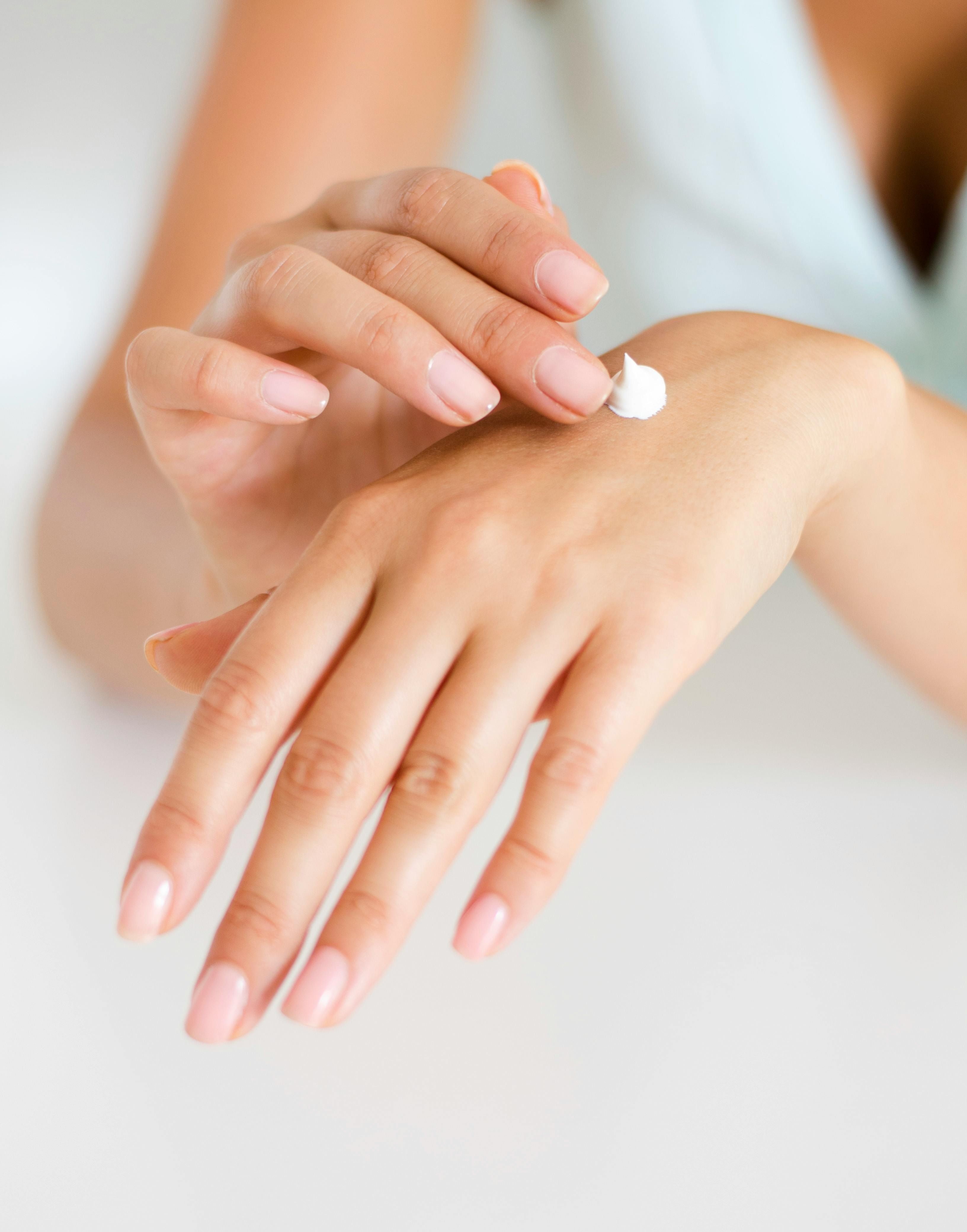
- Slug: Take a pea-sized amount of your chosen occlusive ointment, warm it up between your fingers, and gently pat it all over your face.
- Protect Your Pillow: Put a soft towel over your pillowcase or switch to a silk pillowcase to avoid leaving greasy marks.
Pro Tip: Never slug on nights when you use retinol, glycolic acid, or salicylic acid. The occlusive layer will intensify these active ingredients, which can cause severe redness and chemical burns. Keep your slugging nights strictly focused on hydration!
My Honest Slugging Skincare Products Affiliate Review: The Top 4
I spent weeks testing these popular formulas to find out which ones actually deliver that coveted glass-skin glow without causing congestion. For even more options, you should also take a look at our roundup of 5 Slugging Skincare Products That Repair Dry Skin in 2026 to find your perfect match.
Here are my honest thoughts on the top contenders:
1. CeraVe Healing Ointment
This is my personal holy grail. Unlike regular petroleum jelly, this formula is packed with three essential ceramides and hyaluronic acid. It has a slightly blue tint but goes on completely clear. What I love most is that it feels much less greasy than traditional ointments. It melts into the skin beautifully and leaves you looking incredibly dewy.
- Pros: Contains ceramides, non-greasy feel, protects skin barrier
- Cons: Slightly more expensive than basic petroleum jelly
2. Aquaphor Healing Ointment
Aquaphor is a classic for a reason. It contains panthenol and glycerin, which help to actively soothe and hydrate dry, cracked skin. It is extremely thick and comforting, making it perfect for those dry winter nights when your skin feels like paper. Just note that it does contain lanolin, which some people with highly sensitive skin can be allergic to.
- Pros: Highly soothing, great for chapped lips, very protective
- Cons: Contains lanolin (potential allergen for some)
3. Vaseline Original Pure Petroleum Jelly
The original, triple-purified classic. If you want a simple, single-ingredient product that is completely hypoallergenic, this is it. It does not contain any active ingredients, which means there is zero risk of irritation. It is incredibly affordable and works perfectly to lock in your existing skincare products.
- Pros: Super affordable, hypoallergenic, 100% pure
- Cons: Very heavy texture, can feel greasy on the skin
4. La Roche-Posay Cicaplast Baume B5+
While not a traditional petroleum ointment, this soothing balm is a phenomenal alternative for people who hate the greasy feeling of heavy jellies. Formulated with 5% panthenol and madecassoside, it actively calms redness, irritation, and dry patches while leaving a comfortable, semi-matte protective layer on the skin.
- Pros: Non-greasy, helps calm redness, can be suitable for acne-prone skin
- Cons: Can leave a slight white cast if you apply too much
Quick Picks Comparison
| Pick | Best for | Why it wins |
|---|---|---|
| CeraVe Healing Ointment | Restoring dry skin | It locks in moisture without feeling overly heavy or greasy. |
| Aquaphor Healing Ointment | Extremely dry skin | It actively moisturizes, nourishes, and protects chapped skin. |
| Vaseline Original Pure Petroleum Jelly | Sensitive skin types | It provides a heavy, protective barrier to lock in your nightly skincare. |
| La Roche-Posay Cicaplast Baume B5+ | Lightweight barrier repair | It offers barrier-repairing benefits without the heavy, greasy feel of traditional petroleum jellies. |
What I'd Actually Buy (And How I Use It)
If I had to choose just one product to keep on my vanity forever, it would undoubtedly be the CeraVe Healing Ointment. The addition of ceramides makes a massive difference in how quickly my skin barrier recovers from dry patches.
I love to use it twice a week during the winter, or whenever I notice my skin looking a bit dull and tired. I apply a tiny pea-sized amount over my damp moisturizer, focus on my dry cheeks and under-eye area, and wake up with the softest, most radiant skin imaginable.
Your Beauty Action Plan
Start today: Skip your exfoliating acids tonight. Wash your face, apply a generous layer of moisturizer while your skin is still damp, and pat a tiny amount of petroleum ointment over your driest areas.
Do this now:
- Grab one of the highly-rated slugging skincare products mentioned in this review.
- Dedicate 2 nights a week to a simple, active-free hydration routine.
- Bookmark our guide on barrier repair to keep your skin healthy all year long!
Bottom line: Slugging is the easiest, most affordable way to wake up with plump, glowing, and deeply hydrated skin.
Key Takeaways
- Slugging helps retain moisture and reduces transepidermal water loss.
- Always apply occlusives on clean, hydrated skin, and never layer them over strong active ingredients like retinoids.
- Choose a ceramide-rich formula like CeraVe Healing Ointment if you want extra barrier-repairing benefits.
Frequently Asked Questions
Can you slug every single night?
While you can slug daily if you have extremely dry skin, most skin types do best with 2-3 times a week. Over-slugging can sometimes trap too much moisture and natural oils, leading to tiny whiteheads or a heavy feeling on the skin.
Will slugging clog my pores or cause acne?
Pure petrolatum is non-comedogenic, meaning it cannot physically clog your pores. However, because it is an occlusive, it will trap whatever is underneath it. If you have active breakouts, excess sebum, or dirty skin, slugging can trap those impurities and trigger acne.
Do you wash your face after slugging in the morning?
Yes, you should always wash your face with a gentle cleanser in the morning to remove any leftover ointment. This ensures your daytime serums and sunscreens can penetrate your skin properly without being blocked by the leftover occlusive layer.
Can I slug if I have oily skin?
If you have oily skin, you generally do not need to slug your entire face. Instead, try "micro-slugging" by applying a tiny amount of ointment only to dry areas, like around your eyes, lips, or dry patches, to avoid congesting your T-zone.
What is the difference between slugging and moisturizing?
Moisturizers contain humectants and emollients that draw moisture into the skin and soften it. Slugging products are strictly occlusives, meaning they do not add moisture themselves—they simply lock in the hydration that your moisturizer and serums have already provided.
*As an Amazon Associate I earn from qualifying purchases. This post may contain affiliate links at no extra cost to you.*