Bakuchiol Serum vs Retinol — 1 Clear Winner in 2026
Okay, so here's the thing: my face used to look like a dry, peeling tomato every single time I tried using a standard retinol. I wanted that gorgeous, smooth, glowy skin we all see on social media, but my sensitive skin barrier was absolutely not having it. That was until I stumbled into the ultimate skincare showdown: bakuchiol serum vs retinol product.
If you're currently staring at your vanity wondering if you should stick to the tried-and-true gold standard or jump on the botanical bandwagon, you are in the right place! We're going to break down this epic serum vs retinol duel so you can figure out exactly what your skin needs.
Here is a quick look at what we'll cover today:
- The real science behind both ingredients (without the boring textbook jargon)
- A head-to-head comparison table for easy scanning
- My personal 6-week testing results on sensitive skin
- How to choose the perfect option for your unique skin type
*If you grab anything through my pink-link obsession, I may earn a teeny commission—at zero extra cost to your wallet, promise!*
The Contenders: What is Bakuchiol and Retinol?
Before we let them fight it out, let's introduce our two star players. Retinol is a derivative of Vitamin A. It is a popular choice for anti-aging. It works by supporting cell turnover and helping your skin to produce more collagen. The result? A reduction in the appearance of fine lines, dark spots, and texture. But it comes with a catch: it can cause peeling, redness, and irritation when you first start.
On the other hand, we have bakuchiol, a natural antioxidant extracted from the seeds of the babchi plant. It has been used in traditional Ayurvedic medicine, and it has recently become popular in the modern skincare world. Why? Because it is often noted for behaving similarly to retinol on the skin, but without the potential for irritation.
Pro Tip: Think of retinol as a high-intensity workout for your face, while bakuchiol is more like a gentle, restorative yoga flow. Both get you fit, but the vibe is completely different!
If you're dealing with a damaged skin barrier from overusing strong actives, you should definitely read our guide on 4 Best Barrier Repair Creams Damaged Skin Needs to Recover to help soothe your face before starting any new routine.
The Ultimate Face-Off: Bakuchiol Serum vs Retinol Product
To make your life easier, I've put together a simple breakdown of how these two heavyweights compare.
As you can see, the bakuchiol serum vs retinol product debate isn't about which one is universally better. It's about what your skin can actually tolerate.
If you want to completely avoid the peeling phase, we have a great post on a 5 Best zero-irritation skincare routine list for Redness that you'll love reading!
How Do They Actually Work on Your Skin?
Let's get just a tiny bit sciency for a second. Retinol binds directly to retinoid receptors in your skin cells. It immediately tells them to act younger, speed up turnover, and pump out fresh collagen. It's fast and highly effective, but that sudden change is what causes the infamous 'retinol uglies' (peeling and dryness).
Real Talk: I learned this the hard way. I slathered on a high-strength retinol before a big date night, and by morning, my chin was flaking off like a pastry. Not cute!
Bakuchiol, surprisingly, doesn't actually share a chemical structure with Vitamin A at all. Yet, it is thought to target similar pathways as retinol. It helps your skin to boost collagen and elasticity without triggering the inflammatory response that leads to flaking.
Research suggests that bakuchiol and retinol may help improve the appearance of wrinkle surface area and hyperpigmentation, with bakuchiol often being associated with less skin irritation.
My Experience
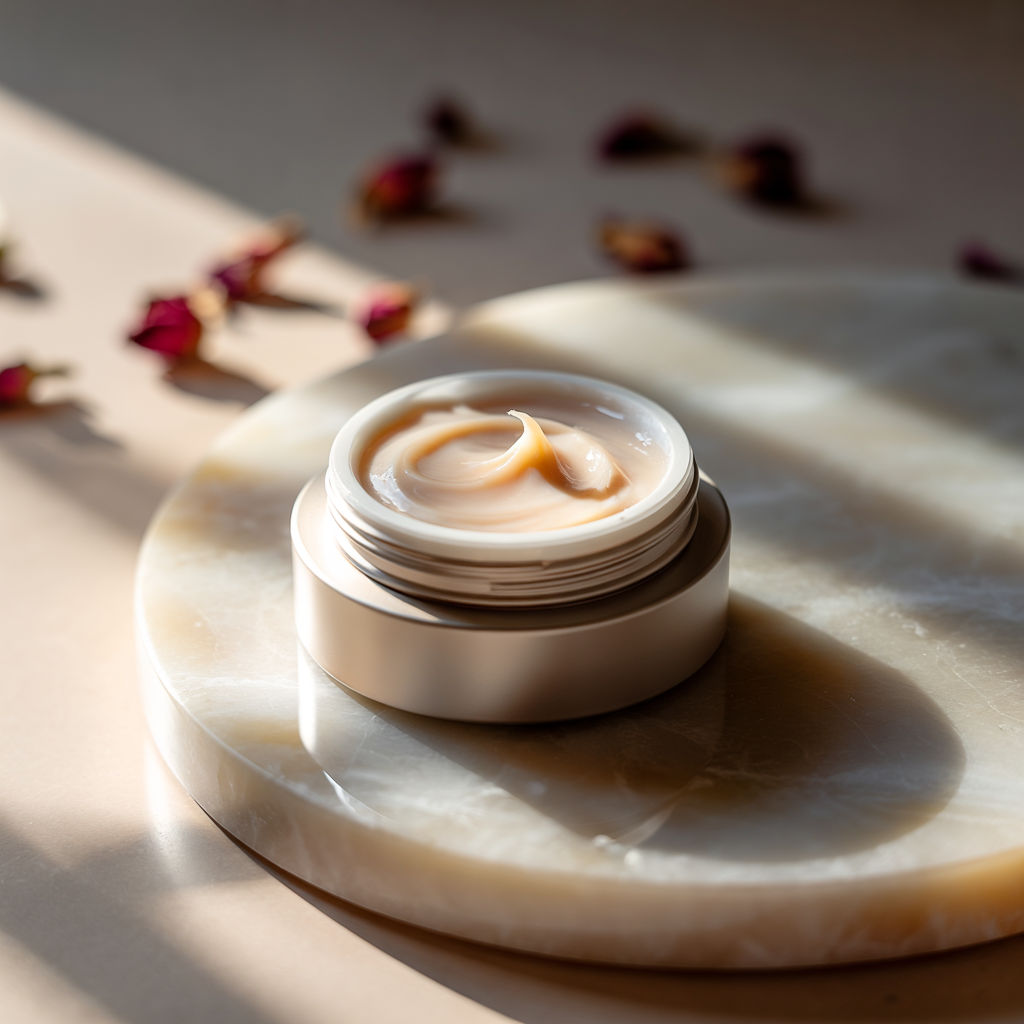
I decided to put this serum vs retinol duel to a real-life test. For 6 weeks, I applied a bakuchiol serum to the left side of my face every morning and night. On the right side, I applied a gentle retinol product every other night.
Here's what happened:
- Week 1-2: The retinol side started flaking around my nose and mouth. It felt tight and slightly itchy. The bakuchiol side felt incredibly hydrated, plump, and calm from day one.
- Week 3-4: The retinol side finally adjusted, but I had to be so careful with my moisturizer. The bakuchiol side was showing a noticeable improvement in overall radiance and texture.
- Week 6: Both sides looked amazingly smooth! The retinol side had a slight edge on a stubborn forehead line, but the bakuchiol side looked plumper, juicier, and had zero redness.
Quick Take: If you want fast results and can handle some peeling, retinol wins. If you want a painless, steady glow with zero downtime, bakuchiol is your bestie.
How to Layer These Actives Without Ruining Your Barrier
If you decide to take the plunge with either of these ingredients, application is everything. You can't just slap them on and hope for the best!
Here is how to do it right:
- Cleanse: Always start with a gentle, non-stripping cleanser.
- Dampen (for Bakuchiol only): You can apply your bakuchiol serum to slightly damp skin to lock in extra hydration.
- Dry (for Retinol only): Never apply a retinol product to damp skin! Water increases absorption, which can lead to severe irritation. Wait 10 minutes after washing before applying.
- Moisturize: Follow up with a rich moisturizer to seal everything in.
If you decide that Vitamin A is the route you want to take, check out our curated list of the 5 Best Retinol Beginner Starter Set Options for New Users to start your journey slowly and safely.
Quick Picks Comparison
| Pick | Best for | Why it wins |
|---|---|---|
| Herbivore Botanicals Bakuchiol Retinol Alternative Serum | Sensitive skin types | This plant-based serum provides retinol-like results without causing dryness. |
| The Ordinary Retinol 0.5% in Squalane | Targeting fine lines | The squalane base helps to deeply moisturize and offset typical retinol irritation. |
| Paula's Choice Clinical 0.3% Retinol + 2% Bakuchiol Treatment | Deep wrinkles and firmness | This formula combines retinol and bakuchiol to target aging signs while keeping the skin barrier calm. |
| The Inkey List Bakuchiol Moisturizer | Dry and sensitive skin | This lightweight cream nourishes the skin while gently promoting cell turnover. |
What I'd Actually Buy

If you're ready to add one of these powerhouses to your vanity, here are the exact products I recommend.
If you want a luxurious, clean-beauty experience, Herbivore Botanicals Bakuchiol Retinol Alternative Serum is a lovely choice. It has a gorgeous jelly texture that sinks in well and makes your skin feel bouncy.
For those on a budget who want to try the gold standard, The Ordinary Retinol 0.5% in Squalane is highly effective. Because it's suspended in squalane, it helps buffer the typical drying effects of Vitamin A.
If you can't decide between the two, why not use both? Paula's Choice Clinical 0.3% Retinol + 2% Bakuchiol Treatment combines both ingredients to give you the rapid results of retinol with the soothing, stabilizing benefits of bakuchiol.
Finally, for a super simple, fuss-free option, The Inkey List Bakuchiol Moisturizer is a fantastic, lightweight cream that delivers easy anti-aging benefits without any complicated layering.
Your Beauty Action Plan
Start today: Take a close look at your current skin condition. If your barrier feels tight, itchy, or dry, hold off on strong retinols and opt for a soothing plant-based alternative instead.
Do this now:
- Pick up a gentle botanical option like the Herbivore Botanicals Bakuchiol Retinol Alternative Serum if you have sensitive skin or are pregnant.
- Commit to using your chosen formula consistently for at least 4 weeks to see real, lasting changes.
- Always, always apply a broad-spectrum SPF 30+ every morning, especially if you are using Vitamin A at night!
Bottom line: Consistency beats strength every single time, so choose the product your skin can happily tolerate daily!
Key Takeaways
- Bakuchiol delivers similar smoothing results to retinol but without the redness or irritation.
- Retinol remains a widely recognized anti-aging ingredient, but requires a careful adjustment period.
- You can safely use bakuchiol during the day and during pregnancy, making it incredibly versatile.
Frequently Asked Questions
Can you use bakuchiol and retinol together?
Yes, absolutely! In fact, combining them is highly effective. Bakuchiol acts as a stabilizing agent for retinol, making it work better while simultaneously soothing the skin to prevent irritation.
Is bakuchiol really as effective as retinol?
Research suggests that bakuchiol is effective at reducing the appearance of fine lines, wrinkles, and hyperpigmentation. However, retinol may provide more visible results on deep wrinkles and stubborn acne.
Can I use bakuchiol serum during the day?
Yes! Unlike retinol, which breaks down in sunlight and makes your skin highly sensitive to UV rays, bakuchiol is photostable. This means you can safely apply it in your morning routine under your sunscreen.
How long does it take to see results from bakuchiol?
Most people start to notice a boost in skin hydration and radiance within 2 weeks. For significant improvements in fine lines and dark spots, you should use it consistently for 8 to 12 weeks.
Is bakuchiol safe to use during pregnancy?
Yes, bakuchiol is considered a safe, plant-based alternative to retinoids during pregnancy and breastfeeding. However, you should always double-check with your OB-GYN before starting any new skincare product.
If you want to keep exploring amazing ways to get that coveted, dewy glass skin without irritating your face, check out our guide on 5 Best dermaplaning at-home kit for smooth radiant skin next!
*As an Amazon Associate I earn from qualifying purchases. This post may contain affiliate links at no extra cost to you.*