5 Best Protein Free Deep Conditioners for Moisture Recovery
Okay, let's have a real-talk moment. Have you ever slathered on a luxury hair mask, expecting silky-smooth hair, only to rinse it out and find your strands feeling like straw? I've been there, and I learned this the hard way. I used to keep piling on heavy reconstructors, thinking my dry hair just needed more "strength." In reality, my strands were feeling the effects of protein overload.
If your hair snaps easily, feels rough, or looks dull no matter how much you moisturize, you may have protein-sensitive hair. What you actually need is intense, pure moisture without any added structural proteins. In this guide, I'm sharing the best protein free deep conditioners that help restore your hair's bounce and softness.
Here is what we will cover today:
- How to identify if your hair is actually protein sensitive
- The sneaky ingredient names that are secretly hardening your hair
- A detailed breakdown of the absolute best protein free deep conditioning formulas
- How to balance your moisture levels without weighing down your strands
What Exactly is Protein Sensitivity anyway?
Our hair is made of a tough protein called keratin. For many people, adding extra hydrolyzed proteins helps patch up damaged spots along the hair shaft. But for those of us with a sensitive hair profile or low porosity strands, these proteins don't penetrate. Instead, they sit on top of the hair shaft like a heavy, rigid coat of armor. Over time, this buildup blocks moisture from getting in, leaving your hair feeling stiff, dry, and incredibly brittle.
When your hair reaches this state, every brush stroke can lead to breakage. It's a frustrating cycle because your instinct is to deep condition more, but if your mask contains protein, you're just fueling the fire. To fix this, you need to strip back your routine and focus purely on humectants, fatty alcohols, and nourishing plant oils.
If you suspect you have buildup from heavy products or hard water, it's a great idea to start with a fresh slate. If you want to learn more about starting your routine right, check out our guide on the 5 Best Sulfate Free Clarifying Shampoos for Low Porosity Hai to prep your hair for maximum moisture absorption.
Real Talk: Protein sensitivity is a manageable state for hair. It is often about finding a balance; focusing on moisture-rich products can help restore hair's natural feel and flexibility.
The Low Porosity Connection
There is a massive overlap between low porosity hair and protein sensitivity. Low porosity hair has tightly bound cuticle scales that lie flat, like shingles on a roof. Because these cuticles are closed so tightly, large protein molecules struggle to slip inside. They end up clogging the entrance, preventing water from hydrating the inner core of your hair.
To successfully moisturize low porosity, protein-sensitive hair, you need two things: mild heat to gently lift those stubborn cuticles, and a formula packed with lightweight, penetrative oils. Look for ingredients like jojoba oil, argan oil, and avocado oil. These oils can slip past the cuticles without leaving a greasy, suffocating film on the outside.
If you're trying to figure out a complete routine that respects your hair's natural texture, you should also read our post about 4 Best Curly Girl Method Product Kit Items for Frizzy Hair for some incredible styling inspiration that won't overload your hair.
How to Spot Hidden Proteins in Your Hair Care
Reading ingredient labels can feel like trying to decode ancient hieroglyphics. Brands love to market products as "hydrating" or "moisturizing" while packing the formula with strengthening proteins. To keep your hair soft, you have to become a beauty detective.
Here are the main ingredients you want to avoid when hunting for a best protein free formula:
- Hydrolyzed Keratin
- Hydrolyzed Wheat, Soy, or Silk Protein
- Collagen
- Amino Acids (like silk amino acids)
- Oat Flour or Hydrolyzed Oat Protein
- Yeast Extract
Instead, train your eyes to look for hydrating heroes like aloe vera juice, glycerin, behentrimonium methosulfate (a super gentle detangling agent), shea butter, and panthenol (provitamin B5). These ingredients deliver deep, elasticizing moisture without adding any structural stiffness.
Pro Tip: Keep a screenshot of this list on your phone! The next time you're standing in the beauty aisle, you can quickly cross-reference the ingredient list before making a purchase.
The Ultimate Protein-Free Mask Comparison
To make your shopping trip a breeze, I put together this quick comparison of how the top formulas perform across different hair concerns.
Deep Dive: The Best Protein Free Deep Conditioners
Let's get into the juicy details! I've spent weeks testing these formulas on my own hair and analyzing the science behind their ingredient lists. Here is how they actually perform when put to the test.
Jessicurl Deep Conditioning Treatment
If you have delicate waves or curls that get weighed down by the mere mention of heavy butter, the Jessicurl Deep Conditioning Treatment is going to be your new holy grail. It is incredibly thick in the jar, but the moment you smooth it onto wet hair, it melts like water. It uses cocoa butter and shea butter balanced with lightweight jojoba oil to slip deep into your hair shaft without leaving a heavy coating.
What I love most is that you can buy it completely fragrance-free. If you have a sensitive scalp or simply don't like cloying floral scents, this is an absolute lifesaver. It gives amazing slip, making detangling in the shower feel like an absolute breeze.
- Pros: Available fragrance-free, phenomenal slip, won't weigh down fine hair.
- Cons: Might not feel heavy enough for extremely coarse Type 4 hair.
Camille Rose Algae Renew Deep Conditioner
For my friends with thick, coarse, or extremely dry curls, the Camille Rose Algae Renew Deep Conditioner is unmatched. This is a rich, decadent treatment packed with blue-green algae, which is incredibly rich in vitamins and minerals to support hair health. It also contains unrefined cocoa and mango butters to deeply lubricate dry, stiff hair fibers.
It smells like delicious chocolate mint, and the texture is like thick cake frosting. When I used this, my dry, crunchy ends felt soft and pliable again after just one use. It's an absolute powerhouse for restoring elasticity.
- Pros: Deeply moisturizing, amazing gourmet scent, packed with nutrient-dense algae.
- Cons: The scent can be strong if you prefer unscented products.
Briogeo Superfoods Banana + Coconut Nourishing Superfood Mask
If your hair is dry but you're terrified of heavy, greasy masks, the Briogeo Superfoods Banana + Coconut Nourishing Superfood Mask is a dream come true. It looks and smells exactly like a tropical banana smoothie. This formula is completely protein-free and relies on banana extract and coconut oil to deliver a massive dose of potassium, antioxidants, and essential fatty acids.
It is lightweight enough to use as a regular conditioner if your hair is extremely dry, but rich enough to work as a weekly treatment. It leaves the hair incredibly shiny, bouncy, and smelling like a tropical vacation.
- Pros: Smells incredible, very lightweight, adds gorgeous glossy shine.
- Cons: Contains coconut oil, which some ultra-sensitive hair types prefer to avoid.
SheaMoisture Raw Shea Butter Deep Moisturizing Masque
If your hair has been through the wringer with heat styling or environmental damage, you need something deeply restorative. The SheaMoisture Raw Shea Butter Deep Moisturizing Masque is a classic for a reason. The current formulation is completely protein-free, relying on raw shea butter, sea kelp, and argan oil to deeply hydrate and shield damaged hair.
This mask is very thick and works beautifully when applied under a warm shower cap. It helps seal the cuticles and trap moisture inside dry, brittle hair fibers. If you are dealing with transition hair, this provides the perfect amount of lubrication to prevent breakage at the line of demarcation.
- Pros: Highly affordable, incredibly rich, great for transitioning hair.
- Cons: Can be too heavy for fine or low-density hair.
Mielle Organics Mongongo Oil Hydrating Conditioning Post-Shampoo Masque
Designed specifically for those who love to use heat or have highly sensitive low porosity curls, the Mielle Organics Mongongo Oil Hydrating Conditioning Post-Shampoo Masque is a masterclass in hydration. Mongongo oil is highly penetrative, helping to soften the hair fibers from the inside out. It also features sub-Saharan African oils that work to eliminate frizz and add intense shine.
This mask has incredible slip, allowing your wide-tooth comb to glide through knots effortlessly. It leaves your hair feeling silky, soft, and highly responsive to styling products.
- Pros: Excellent frizz control, great for heat-styled hair, intense slip.
- Cons: The scent is quite sweet and floral.
Quick Take: If you have fine hair, go with Jessicurl. If you have thick, dry, or coarse hair, the Camille Rose or SheaMoisture masks will give you that deep, plush moisture your hair is craving.
Quick Picks Comparison
| Pick | Best for | Why it wins |
|---|---|---|
| Jessicurl Deep Conditioning Treatment | Fine to medium curls | It melts effortlessly into the hair shaft to provide incredible slip. |
| Camille Rose Algae Renew Deep Conditioner | Coarse or textured hair | It intensely lubricates dry hair fibers to restore elasticity. |
| Briogeo Superfoods Banana + Coconut Nourishing Superfood Mask | Dry or dull hair | It utilizes banana extract and coconut oil to deeply condition and soften. |
| SheaMoisture Raw Shea Butter Deep Moisturizing Masque | Damaged or transitioning hair | It blends raw shea butter with sea kelp and argan oil to seal flat cuticles. |
| Mielle Organics Mongongo Oil Hydrating Conditioning Post-Shampoo Masque | Heat-styled or low porosity | It features mongongo oil to soften the hair cuticles and lock in moisture. |
What I'd Actually Buy
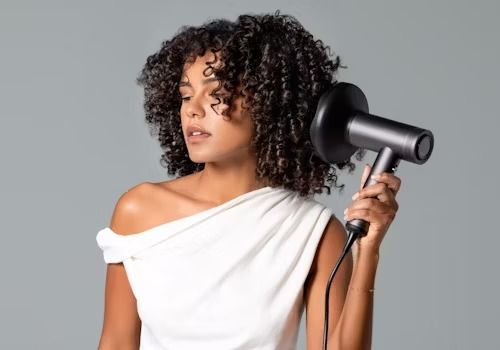
If I had to step into a store right now and only pick one to live on my shower shelf forever, I would grab the Camille Rose Algae Renew Deep Conditioner. As someone with dry, thirsty waves that get frizzy at the first sign of humidity, my hair thrives on its rich, buttery texture. I love how plump and juicy my curls look after leaving it on for 20 minutes under a heated cap.
However, if my hair was feeling weighed down or if I was experiencing a sensitive scalp day, I would immediately switch to the fragrance-free version of the Jessicurl Deep Conditioning Treatment. It's the ultimate safe-haven product when your hair needs a gentle reset.
Speaking of keeping your hair protected and shiny, if you want to lock in all that freshly applied moisture, you should definitely check out our guide on the 4 Best Bond Repairing Hair Oils for Damaged Hair to add the perfect finishing seal to your styling routine!
Your Beauty Action Plan
To get the absolute most out of your new protein-free routine, you need a solid plan of attack. Moisture doesn't just happen—it's a process!
Start today: Go to your bathroom right now, grab your current deep conditioner, and check the first 5 ingredients for the words "hydrolyzed," "keratin," or "amino acids." If you see them, set that jar aside for now!
Do this now:
- Apply your chosen best protein free mask to clean, soaking wet hair in sections, focusing entirely on your mid-lengths and ends.
- Pop on a plastic shower cap and apply gentle heat (like a warm towel or a hooded dryer bonnet) for 15-20 minutes to help open up those stubborn low porosity cuticles.
- Rinse thoroughly with cool water to seal the cuticles, then follow up with a lightweight leave-in. If you need a recommendation for a great follow-up product, check out our review of 4 Leave-In Conditioners That Fix Fried Hair in 2026 to keep your hair soft all week long!
Bottom line: Ditching protein for a pure moisture routine will transform your crunchy, straw-like hair into soft, touchable, bouncy strands in as little as two weeks!
Frequently Asked Questions
How often should I use a protein free deep conditioner?
If your hair is currently experiencing severe protein overload, you should use a protein-free mask every single time you wash your hair (usually 1-2 times a week) until your hair regain its softness and elasticity. Once your hair is balanced, you can transition to using it once every two weeks to maintain hydration.
Can protein-free products still cause buildup on low porosity hair?
Yes, absolutely. Even though they don't contain protein, heavy butters like shea and cocoa butter can eventually build up on the surface of low porosity hair. To prevent this, make sure to use a gentle clarifying shampoo once or twice a month to keep your hair cuticles clean and ready to receive moisture.
How do I know if my hair needs protein or moisture?
Do a simple stretch test! Take a single strand of wet hair and gently stretch it. If it stretches slightly and bounces back without breaking, your hair is balanced. If it stretches endlessly and feels mushy or limp, you need protein. If it doesn't stretch at all and immediately snaps, your hair is dry and needs a protein-free deep conditioner.
Can I leave a protein free deep conditioner in my hair overnight?
I highly advise against this! Leaving any conditioner on your hair for too long can lead to a condition called hygral fatigue, which is essentially the weakening of the hair fiber from being wet for too long. Stick to the recommended 15-30 minutes on the bottle for the safest, most effective results.
Is coconut oil considered a protein?
No, coconut oil is not a protein. However, coconut oil is unique because it is highly rich in lauric acid, which has a high affinity for hair proteins. This means it can bind to the protein in your hair and prevent protein loss. For some extremely protein-sensitive people, coconut oil can mimic the effects of protein, making their hair feel stiff. If this sounds like you, opt for coconut-free formulas like Jessicurl.
Final Spritz
Balancing your hair's moisture levels is a journey of trial and error, but listening to what your strands actually need is the ultimate key to success. If you loved learning how to treat your delicate strands today, you might also want to check out our breakdown of The Ultimate Curly Girl Method Product Kit for 2026 to keep your styling routine completely on point! Feel free to share this guide with your curl friends who might be struggling with crunchy hair!
*As an Amazon Associate I earn from qualifying purchases. This post may contain affiliate links at no extra cost to you.*